Bathing in the 22 sacred wells inside Rameshwaram temple is a mandatory part of the pilgrimage. Here is the exact sequence and what each theertham symbolises.
The 22 Theertham Snan at Rameshwaram is the only major Jyotirlinga ritual that is performed inside the temple compound in wet clothes. Twenty-two sacred wells, each named after a rishi or a Puranic event, are scattered through the corridors. Pilgrims move from one to the next in a fixed sequence, and the temple pujaris draw a bucket from each well and pour it over the devotee's head. The full sequence takes about 90 minutes and is considered essential — visiting Rameshwaram without completing the 22 Theertham Snan is not, in the classical tradition, a complete darshan.
Each of the 22 wells is said to have been created by a specific Puranic event or the tapasya of a specific rishi. The water in each well tastes distinctly different — some sweet, some brackish, one distinctly sulphurous. This variation is considered evidence of their independent geological origin, even though they are all located within a walled temple compound.
Preparation the Night Before
Pack two full sets of clothing — one that you will wear during the snan and one dry set for the sanctum darshan afterwards. Cotton is essential; polyester dries too slowly and turns cold. Carry a small waterproof bag for your wallet and phone. The temple's official cloakroom (near the eastern gopuram) accepts these for free; do not use the private cloakrooms in the surrounding lanes which charge and are less secure.
Eat a light breakfast — most pilgrims do the snan sequence between 6:00 AM and 9:00 AM. Do not attempt on an empty stomach; the constant temperature shift between the cool well-water and the tropical air can trigger low blood sugar in older pilgrims. A banana, a coconut, and some water taken 30 minutes before you begin is the classical formula.
Stage 1: Agni Theertham (The Sea)
Before entering the temple, take a symbolic dip in the sea directly east of the temple at Agni Theertham beach. This is the outdoor "fire" theertham and traditionally precedes the twenty-two indoor ones. It represents the shedding of physical impurities. The dip need not be a full immersion — a symbolic sprinkle of sea water on the head from a cupped hand is shastrically sufficient, especially for older pilgrims or during rough sea conditions.
Stages 2-23: The Twenty-Two Wells
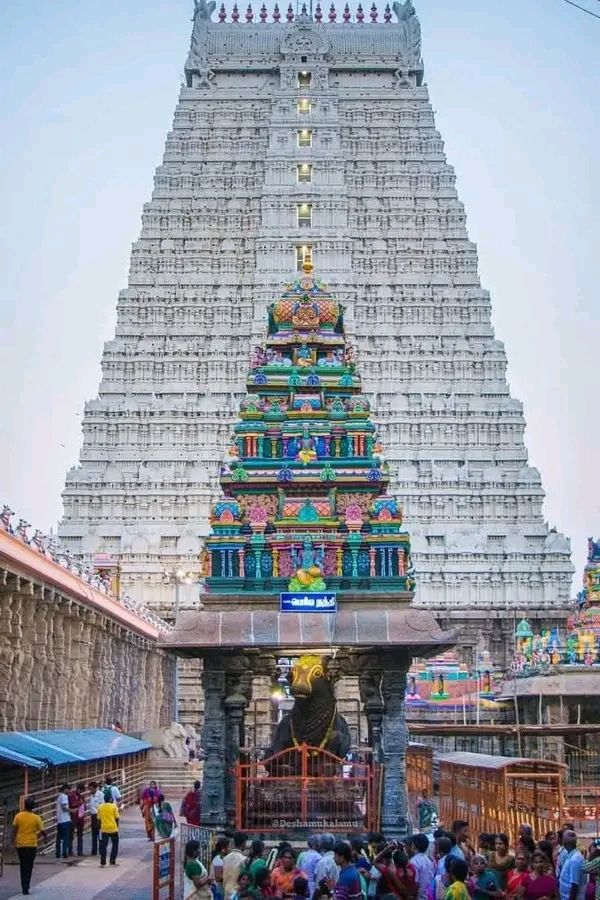
Enter through the eastern gopuram in your wet clothes; the pujaris at the first counter register you and hand you a token for the snan sequence. The wells are numbered on brass plaques above each; you follow the queue clockwise. At each well, a pujari draws a bucket of water using a rope and pulley, and pours it over your head from behind — you do not need to bring your own bucket. Traditionally the pujari chants the specific mantra associated with each well as the water is poured.
The 22 wells vary in taste — Mahalakshmi Theertham (well 5) is famously sweet; Nala Theertham (well 12) has a mineral tang; Neela Theertham (well 20) has a slight sulphur note. Devotees often taste a drop from each after the water is poured — this is customary but optional, and pilgrims with sensitive stomachs are encouraged to skip the tasting.
The 22 wells symbolise the 22 arrows in Lord Rama's quiver (dwaadasha-dala-baana in classical tamil-shaivite theology). Ram is said to have created them by piercing the temple ground with his arrows to summon water for the ritual that would absolve him of the brahmahatya sin of killing Ravana. This is why the ritual is believed to be particularly powerful for atonement of past guilt.
Fee and Timing
The snan fee is ₹25-₹50 per person paid at the entry counter (rates change annually). The snan sequence is available only between 5:00 AM and 1:00 PM; the afternoon slot is closed for temple cleaning. Book the token no later than 11:30 AM to complete before the mid-day closure. During peak seasons (Thai Amavasya in January, Ram Navami in April, and Aadi Amavasya in July), the queue for tokens starts as early as 4:00 AM.
You can also opt for a "special" snan sequence where a personal pujari accompanies you to all 22 wells and chants each mantra individually. This costs ₹500-₹1000 per person, takes about 2 hours, and is available through the temple's Devasthanam office at the eastern gate.
The Sanctum Darshan Afterwards
After the snan, move to the changing area, dry off, and change into your second set of clothing. Only then do you enter the main garbha griha to view the two Jyotirlingas — Vishwalingam (brought by Hanuman from Kailash) and Ramalingam (fashioned by Devi Sita from beach sand). By classical tradition, worship the Vishwalingam first, then the Ramalingam. Photography is not permitted inside the sanctum; even mobile phones must be deposited at the cloakroom before entering the sanctum queue.
What Not to Skip in Rameshwaram
The five-faced Hanuman Temple 2 kilometres west of Ramanathaswamy houses the original floating stones of the Ram Setu — a genuine natural phenomenon worth witnessing. And Dhanushkodi at the eastern tip of Pamban Island, destroyed in the 1964 cyclone, is unmissable at sunset. Combine both into a same-day afternoon plan after your temple visit; a hired car for the afternoon costs about ₹1,200 and covers both plus the APJ Abdul Kalam memorial.
The Gandhamadhana Parvatham hillock near the temple, said to hold Rama's footprint from where he surveyed the Setu construction, is also a worthwhile 15-minute visit at sunrise. It offers a fine view of the temple and the surrounding sea from a modest elevation.