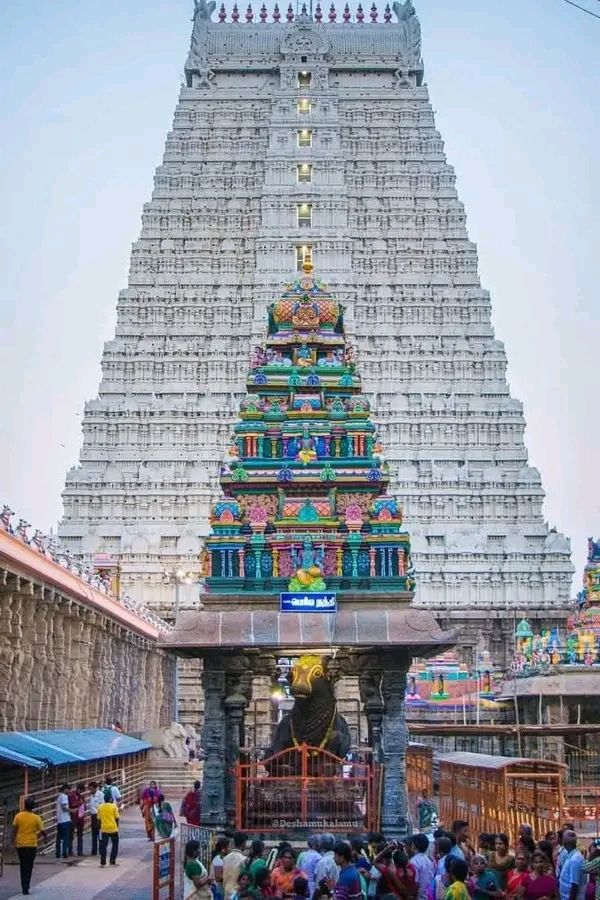
Rameshwaram Jyotirlinga Temple
Rameshwaram Jyotirlinga Temple in Ramanathapuram, Tamil Nadu — one of the twelve most sacred Shiva shrines in India, mentioned in the Shiva Purana.
About Rameshwaram Jyotirlinga Temple
Located on Rameswaram island in Tamil Nadu. The temple is renowned for its magnificent architecture, long corridors, and is one of the Char Dham pilgrimage sites.
Rameshwaram Temple Mythology & Legend
Lord Rama worshipped Shiva here to absolve himself of the sin of killing Ravana (a Brahmin). He installed a lingam made of sand, which became the Ramanathaswamy Jyotirlinga.
History of Rameshwaram Temple
The temple was expanded during the 12th to 16th centuries by various dynasties. It has the longest corridor among all Hindu temples in India. The temple showcases Dravidian architecture with 1212 massive granite pillars.
Rameshwaram Darshan Timings & Rituals
- 22 holy water tanks (theerthas) bathing ritual
- Daily six times puja
- Abhishekam with waters from different theerthas
- Special pujas during festival days
How to Reach Rameshwaram — Stay, Food & Travel Guide
Hotels & Accommodation Near Rameshwaram
- Temple managed accommodation
- Hotels near the temple
- Beach resorts
- Tamil Nadu Tourism hotels
Booking Tip: Visit platforms like MakeMyTrip, Booking.com, or Goibibo for online reservations.
Quick Information
Spiritual Significance of Rameshwaram
Discover the ancient Vedic importance, Puranic legends, and astrological remedies associated with the sacred Rameshwaram Jyotirlinga.
Associated Kaal Sarp Dosh
Vishdhar Kaal Sarp Dosh
Visiting this Jyotirlinga is traditionally prescribed as a powerful remedy for those born under or afflicted by this specific Kaal Sarp Dosh.
Vedic Importance & Puranic Legends
Consecrated by Lord Rama and sculpted out of beach sand by Devi Sita before crossing over to Lanka. Rama worshipped Shiva here to absolve the upcoming sin of killing Ravana.
Why You Should Visit
Spiritual & Material Benefits
To fix fractured relationships, clear communication blocks, and resolve severe career instability. Bathing in its 22 holy water wells (Theerthams) washes away deep layers of guilt, doubt, and confusion.
The Complete Guide to Rameshwaram Jyotirlinga
Everything a pilgrim needs — a millennium of history, the specifics of the sanctum's architecture, the exact darshan procedure, the annual festival calendar, and practical tips born from experience on the ground.
A Thousand Years of History
Rameshwaram, on Pamban Island in the southernmost tip of Tamil Nadu, is the only Jyotirlinga consecrated by Lord Rama himself before his crossing to Lanka. The Ramayana narrates that Rama, aware that killing Ravana (a Brahmin) would incur brahmahatya (the sin of killing a Brahmin), decided to worship Shiva to preempt this karmic burden. He sent Hanuman to Kailash to fetch a lingam; when Hanuman was delayed, Devi Sita fashioned a lingam from beach sand (the 'Ramalingam' worshipped as the main deity today). When Hanuman returned with the Vishwalingam from Kailash, he was crestfallen — Rama installed the Vishwalingam next to the Ramalingam and decreed that all future pilgrims would first worship Hanuman's Vishwalingam before the primary Ramalingam. The temple thus houses two Jyotirlingas within the sanctum, a distinction unique to Rameshwaram. The vast temple complex was built in stages between the 12th and 18th centuries by the Pandya, Setupati and Nayaka rulers.
Architecture & Design of the Sanctum
The temple is celebrated for possessing the longest temple corridor in India — the outer eastern corridor measures 197 metres and contains 1,212 intricately carved granite pillars, each unique. The main sanctum houses the Ramalingam and Vishwalingam side by side. Twenty-two sacred wells (Theerthams) are scattered throughout the complex, each with its own name and mythological association — bathing in all 22 in sequence is a mandatory part of the pilgrimage. The Dravidian-style rajagopurams rise 126 feet (eastern) and 78 feet (western) and are adorned with a riot of polychromatic stucco figures.
Step-by-Step Darshan Procedure
- 1First take the Agni Theertham dip in the sea directly east of the temple — this is the mandatory outdoor bath.
- 2Enter the temple through the eastern gopuram with wet clothes (a change of clothes should be carried).
- 3Undergo the 22-Theertham snan inside the temple — pujaris draw water from each well and pour it over the devotee's head; complete the sequence in one continuous session.
- 4Change into dry clothes, then enter the main sanctum and offer worship to Vishwalingam (Hanuman's lingam) first.
- 5Then offer worship to the Ramalingam (Sita's sand lingam).
- 6Perform pradakshina of the corridor — the full circumambulation covers approximately 1.5 km.
Annual Festival Calendar
Maha Shivratri
The temple hosts a 12-day festival with special abhishekas and processions of Rama, Sita, Lakshmana, Hanuman and Ramanatha.
Ramanatha Kalyanam
The celestial wedding of Shiva and Parvati is enacted with palanquin processions through the corridor in Adi (July-August).
Thai Amavasya
The new moon of Thai (January) sees mass ancestral shraddha rituals on the Agni Theertham beach.
Insider Tips for Pilgrims
- Carry two full sets of clothing — one for the 22-Theertham snan and one for the sanctum darshan.
- The 22-Theertham fee is Rs. 25-Rs. 50 per person paid at the entry counter; do not engage private guides in the parking lot.
- Combine the visit with Dhanushkodi (18 km east) for the ghost-town ruins where Rama's bridge to Lanka began.
Essentials for Your Rameshwaram Yatra
Curated puja items, spiritual books, and travel essentials for pilgrims visiting Rameshwaram and other sacred Jyotirlinga temples. Delivered by Amazon India.
Rudraksha Mala
Original 108-bead prayer mala for daily japa
Puja Thali Set
Complete brass puja thali with all accessories
Shiva Purana
Sacred scripture of Lord Shiva in English
Brass Diya & Lamp
Traditional oil lamp for temple worship
Meditation Cushion
Zafu cushion for meditation & chanting
Pilgrimage Backpack
Durable 40L travel backpack for temple visits
Ethnic Wear
Traditional kurta, saree & salwar for pilgrims
Shiv Idols
Brass, marble & panchdhatu Shiva idols for puja
As an Amazon Associate, we earn from qualifying purchases — at no extra cost to you. Prices, availability, and product details are managed by Amazon.in.
Book Your Stay Near Rameshwaram
Plan your pilgrimage to Rameshwaram with our trusted hotel and travel partners. Compare deals and book directly with verified providers.
IndiGo Hotels
Premium hotel deals across India
Cleartrip
Flights, hotels & holiday packages
Booking.com
Worldwide hotels & accommodation
Agoda
Hotels & resorts at best prices
Disclosure: We may earn an affiliate commission when you book through these partners — at no extra cost to you. This helps us keep the Jyotirlinga guide free.
Rameshwaram Jyotirlinga — Your Questions Answered
Practical, spiritual and travel questions asked most often by first-time pilgrims to Rameshwaram.
What Pilgrims Say About Rameshwaram
Be the first to share your darshan experience.
Explore Other Sacred Jyotirlingas
Continue your spiritual journey across India by visiting the other sacred Jyotirlinga shrines of Lord Shiva.