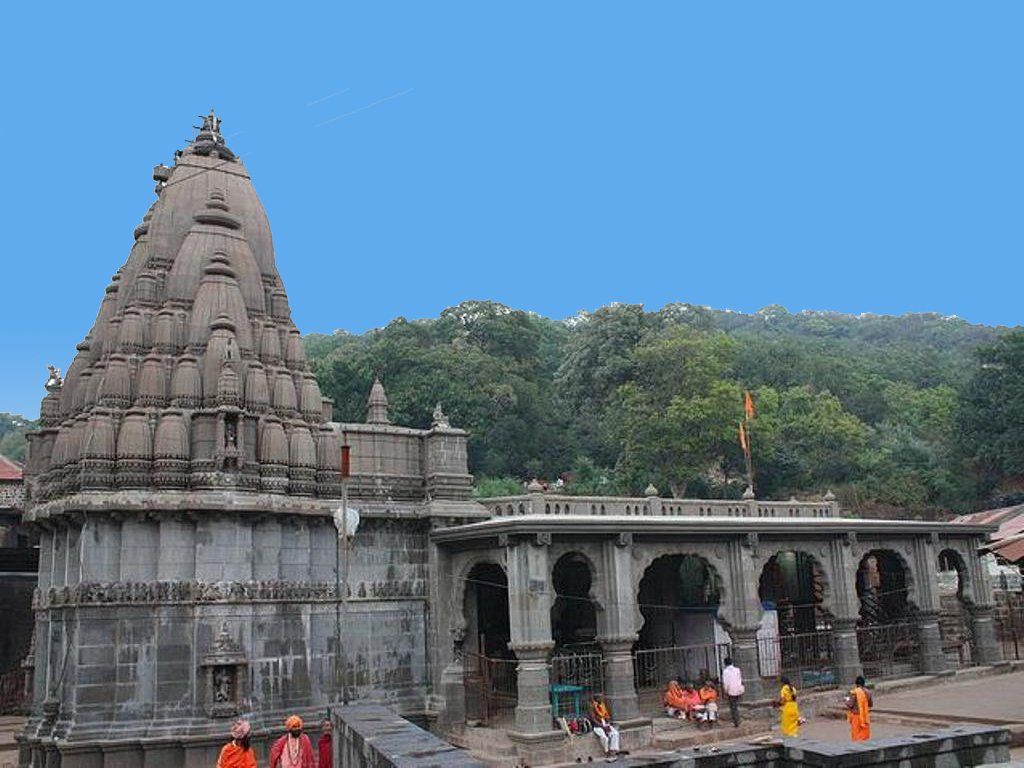
Omkareshwar Jyotirlinga Temple
Omkareshwar Jyotirlinga Temple in Khandwa, Madhya Pradesh — one of the twelve most sacred Shiva shrines in India, mentioned in the Shiva Purana.
About Omkareshwar Jyotirlinga Temple
Located on an island called Mandhata or Shivapuri in the Narmada River. The island is shaped like the Hindu symbol 'Om', making it a unique and sacred pilgrimage site.
Omkareshwar Temple Mythology & Legend
The Vindhya mountain prayed to Lord Shiva to reside there. Pleased by the devotion, Shiva appeared in two forms - Omkareshwar and Amareshwar (Mamleshwar), both considered as Jyotirlingas.
History of Omkareshwar Temple
The temple was built by the Paramara dynasty and later renovated by various rulers. The architecture shows influences of Nagara and Dravidian styles with beautiful stone carvings.
Omkareshwar Darshan Timings & Rituals
- Morning Rudrabhishek
- Narmada parikrama (circumambulation of island)
- Daily aarti ceremonies
- Special abhishekam on Mondays
How to Reach Omkareshwar — Stay, Food & Travel Guide
Hotels & Accommodation Near Omkareshwar
- MP Tourism Narmada Resort
- Temple trust guest houses
- Hotels on Mandhata island
- Budget lodges in nearby areas
Booking Tip: Visit platforms like MakeMyTrip, Booking.com, or Goibibo for online reservations.
Quick Information
Spiritual Significance of Omkareshwar
Discover the ancient Vedic importance, Puranic legends, and astrological remedies associated with the sacred Omkareshwar Jyotirlinga.
Associated Kaal Sarp Dosh
Padam Kaal Sarp Dosh
Visiting this Jyotirlinga is traditionally prescribed as a powerful remedy for those born under or afflicted by this specific Kaal Sarp Dosh.
Vedic Importance & Puranic Legends
Situated on an island in the Narmada River that naturally shapes the sacred Vedic syllable 'OM' (ॐ). Tied to the deep penance of the Vindhya Mountain range and King Mandhata.
Why You Should Visit
Spiritual & Material Benefits
To achieve deep meditative states, master complex knowledge, and clarify life's purpose. It aligns scattered thoughts and brings absolute focus to students, scholars, and professionals.
The Complete Guide to Omkareshwar Jyotirlinga
Everything a pilgrim needs — a millennium of history, the specifics of the sanctum's architecture, the exact darshan procedure, the annual festival calendar, and practical tips born from experience on the ground.
A Thousand Years of History
Omkareshwar sits on Mandhata (or Shivpuri) island in the Narmada river, an island shaped naturally like the sacred syllable ॐ. The island has been a pilgrimage centre since the Nishada tribal era and finds elaborate mention in the Skanda Purana's 'Reva Khand'. Adi Shankaracharya is believed to have met his guru Govinda Bhagavatpada in one of the caves on the northern bank when he was just twelve years old — the exact spot is preserved as the Shankaracharya Gufa and remains an active meditation shrine. The main temple, dedicated to Omkareshwar (the Jyotirlinga) and the sister shrine of Amareshwar on the south bank, was patronised through the ages by the Paramara kings of Malwa, the Holkars of Indore (notably Ahilyabai Holkar in the 18th century), and the Peshwa Marathas. Uniquely, both Omkareshwar and Amareshwar are counted as manifestations of the same Jyotirlinga — a rare 'twin' arrangement.
Architecture & Design of the Sanctum
The temple is a five-storeyed Nagara-style shrine, with each floor dedicated to a different aspect of Shiva — Omkareshwar (ground), Mahakaleshwar (first), Siddhanath (second), Gupteshwar (third) and Dhwajadhari (fifth). The soft soapstone shikhara is elaborately carved with dancing ganas, mithuna figures, and inscriptions in the Nagari script. A stone parikrama path circles the entire Mandhata island — the seven-kilometre outer parikrama is traditionally completed barefoot in a single morning.
Step-by-Step Darshan Procedure
- 1Cross the pedestrian Jhula bridge from the mainland to Mandhata island; a jetty-boat option is also available.
- 2Deposit footwear and mobile phones at the counter near the bridge exit.
- 3Enter through the north gate of the temple; offer bilva and a small brass pot of Narmada jal.
- 4Perform darshan on the ground floor first, then optionally climb to the upper four sanctums.
- 5Complete the Antar-Griha parikrama around the sanctum, then optionally attempt the seven-kilometre island parikrama.
- 6Attend the evening Nauka Vihar (boat aarti) on the Narmada — a signature ritual only at Omkareshwar.
Annual Festival Calendar
Kartik Purnima Snan
A holy dip in the Narmada on the full moon of Kartik (November) is believed to equal the merit of a thousand ashwamedha yajnas.
Maha Shivratri
A three-day fair with folk performances of the Bhil and Bhilala communities takes over both banks of the river.
Narmada Jayanti
The birthday of the Narmada river (Magha Shukla Saptami) is celebrated with a river-side deep-daan of thousands of clay lamps.
Insider Tips for Pilgrims
- The island can also be reached by boat from the Gomukh Ghat — the crossing takes about ten minutes and is a scenic alternative to the bridge.
- Complete parikrama pilgrims should carry oral rehydration salts and start by 5:00 AM in summer.
- Combine the visit with the nearby 'Statue of Oneness' — a 108-foot bronze statue of Adi Shankaracharya at Ekatma Dham.
Essentials for Your Omkareshwar Yatra
Curated puja items, spiritual books, and travel essentials for pilgrims visiting Omkareshwar and other sacred Jyotirlinga temples. Delivered by Amazon India.
Rudraksha Mala
Original 108-bead prayer mala for daily japa
Puja Thali Set
Complete brass puja thali with all accessories
Shiva Purana
Sacred scripture of Lord Shiva in English
Brass Diya & Lamp
Traditional oil lamp for temple worship
Meditation Cushion
Zafu cushion for meditation & chanting
Pilgrimage Backpack
Durable 40L travel backpack for temple visits
Ethnic Wear
Traditional kurta, saree & salwar for pilgrims
Shiv Idols
Brass, marble & panchdhatu Shiva idols for puja
As an Amazon Associate, we earn from qualifying purchases — at no extra cost to you. Prices, availability, and product details are managed by Amazon.in.
Book Your Stay Near Omkareshwar
Plan your pilgrimage to Omkareshwar with our trusted hotel and travel partners. Compare deals and book directly with verified providers.
IndiGo Hotels
Premium hotel deals across India
Cleartrip
Flights, hotels & holiday packages
Booking.com
Worldwide hotels & accommodation
Agoda
Hotels & resorts at best prices
Disclosure: We may earn an affiliate commission when you book through these partners — at no extra cost to you. This helps us keep the Jyotirlinga guide free.
Omkareshwar Jyotirlinga — Your Questions Answered
Practical, spiritual and travel questions asked most often by first-time pilgrims to Omkareshwar.
What Pilgrims Say About Omkareshwar
Be the first to share your darshan experience.
Explore Other Sacred Jyotirlingas
Continue your spiritual journey across India by visiting the other sacred Jyotirlinga shrines of Lord Shiva.