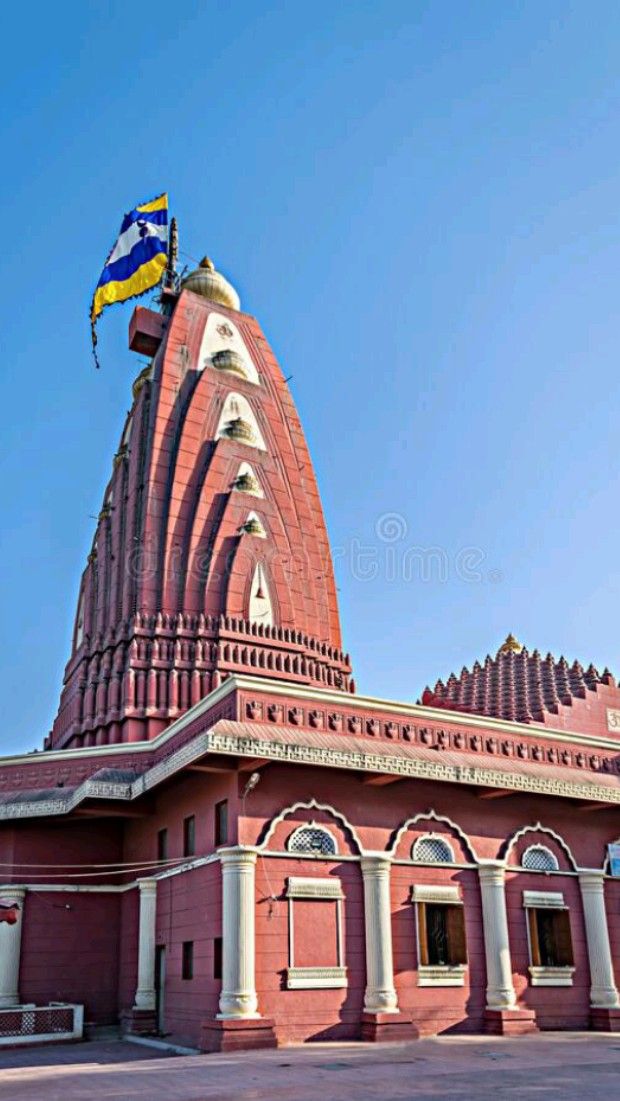
Nageshwar Jyotirlinga Temple
Nageshwar Jyotirlinga Temple in Dwarka, Gujarat — one of the twelve most sacred Shiva shrines in India, mentioned in the Shiva Purana.
About Nageshwar Jyotirlinga Temple
Located near Dwarka in Gujarat, between Gomti Creek and the Bay of Okha. The temple features a 25-meter tall statue of Lord Shiva in a seated meditation posture.
Nageshwar Temple Mythology & Legend
A devotee named Supriya was imprisoned by a demon Daruka. She prayed to Lord Shiva, who appeared as Nageshwar Jyotirlinga and destroyed the demon, establishing that devotees are protected by his divine presence.
History of Nageshwar Temple
The temple has ancient origins mentioned in the Shiva Purana. The current structure was renovated and the massive Shiva statue was installed in recent times, making it a modern architectural marvel.
Nageshwar Darshan Timings & Rituals
- Daily abhishekam
- Rudrabhishek on Mondays
- Laghu Rudra and Maha Rudra on special occasions
- Evening aarti
How to Reach Nageshwar — Stay, Food & Travel Guide
Hotels & Accommodation Near Nageshwar
- Hotels in Dwarka (17 km)
- Guest houses near temple
- Dharamshalas in Dwarka
- Beach resorts near Okha
Booking Tip: Visit platforms like MakeMyTrip, Booking.com, or Goibibo for online reservations.
Quick Information
Spiritual Significance of Nageshwar
Discover the ancient Vedic importance, Puranic legends, and astrological remedies associated with the sacred Nageshwar Jyotirlinga.
Associated Kaal Sarp Dosh
Ghatak Kaal Sarp Dosh
Visiting this Jyotirlinga is traditionally prescribed as a powerful remedy for those born under or afflicted by this specific Kaal Sarp Dosh.
Vedic Importance & Puranic Legends
Mentioned in the Shiva Purana as Darukavana. Lord Shiva appeared instantly in an armor of snakes to vanquish the demonic forces of Daruka and save his ardent devotee, Supriya.
Why You Should Visit
Spiritual & Material Benefits
To gain freedom from addictions, toxic habits, and the negative illusions of Maya. As the Lord of Serpents, it neutralizes poisonous influences in your social/professional circle and prevents sudden downfalls.
The Complete Guide to Nageshwar Jyotirlinga
Everything a pilgrim needs — a millennium of history, the specifics of the sanctum's architecture, the exact darshan procedure, the annual festival calendar, and practical tips born from experience on the ground.
A Thousand Years of History
Nageshwar Jyotirlinga stands near the coastal town of Dwarka in Gujarat and is famed as the Lord of Serpents. The Shiva Purana's Koti Rudra Samhita relates the story of the vaishya (merchant) Supriya, a devoted worshipper of Shiva, who was captured along with his fellow travellers by the demon Daruka and imprisoned in Darukavana, a forest terrorised by the demon's serpent-armour-clad hordes. Supriya continued his Shiva worship in captivity and led the fellow prisoners in prayer; enraged, Daruka tried to kill him, but Shiva burst out of the ground fully armoured in serpents (hence Nag-eshwar), destroyed the demons, and granted the sanctum permanent residence for the protection of devotees. The current temple is a modern reconstruction, extensively renovated by Mumbai industrialist Gulshan Kumar (of T-Series) in the 1990s, though the sanctum itself and the underground lingam are ancient. The 82-foot statue of Shiva in the padmasana meditation pose that welcomes visitors from a distance was inaugurated in 1996 and has become an iconic landmark of coastal Gujarat.
Architecture & Design of the Sanctum
The main sanctum is a compact chamber accessed by descending a short flight of stone steps — the lingam is set at basement level, symbolising Shiva's emergence from the earth to save Supriya. The lingam itself is a naturally striped Tri-mukhi (three-faced) Rudraksha-shaped stone, roughly 2.5 feet in height, and is worshipped in a small silver yoni-peetha. The temple courtyard is dominated by the massive concrete-and-stone seated Shiva statue, a wall of hand-painted murals depicting the Daruka legend, and a curved amphitheatre for the evening aarti audience.
Step-by-Step Darshan Procedure
- 1Approach the temple through the main gate — no ticketing is needed for regular darshan.
- 2Deposit footwear and mobile phones at the free stand; leather items are strictly not allowed.
- 3Descend the sanctum steps and offer bilva, jal-abhishek and rudraksha malas.
- 4Perform pradakshina of the sanctum three times.
- 5Take a photograph or seek blessings at the giant open-air Shiva statue on your way out.
- 6Combine the visit with Dwarkadhish Mandir, Bet Dwarka and Rukmini Devi Mandir — all within 20 km.
Annual Festival Calendar
Maha Shivratri
A grand night-long puja is held; the surrounding lawns host a fair with folk artists from Saurashtra.
Shravan Somvar
Every Monday in Shravan sees over 25,000 devotees offering Ganga jal and Rudra-abhishek.
Naga Panchami
Devotees seek relief from Kaal Sarp Dosh with a special Naga puja performed by the temple priests.
Insider Tips for Pilgrims
- Nageshwar is best combined with the Dwarka circuit — plan a two-day trip covering Dwarkadhish, Bet Dwarka and Nageshwar together.
- The temple is on flat ground with easy access — fully wheelchair-friendly.
- The best photo opportunity of the giant Shiva statue is between 4:00 PM and 5:30 PM with the western sun on His face.
Essentials for Your Nageshwar Yatra
Curated puja items, spiritual books, and travel essentials for pilgrims visiting Nageshwar and other sacred Jyotirlinga temples. Delivered by Amazon India.
Rudraksha Mala
Original 108-bead prayer mala for daily japa
Puja Thali Set
Complete brass puja thali with all accessories
Shiva Purana
Sacred scripture of Lord Shiva in English
Brass Diya & Lamp
Traditional oil lamp for temple worship
Meditation Cushion
Zafu cushion for meditation & chanting
Pilgrimage Backpack
Durable 40L travel backpack for temple visits
Ethnic Wear
Traditional kurta, saree & salwar for pilgrims
Shiv Idols
Brass, marble & panchdhatu Shiva idols for puja
As an Amazon Associate, we earn from qualifying purchases — at no extra cost to you. Prices, availability, and product details are managed by Amazon.in.
Book Your Stay Near Nageshwar
Plan your pilgrimage to Nageshwar with our trusted hotel and travel partners. Compare deals and book directly with verified providers.
IndiGo Hotels
Premium hotel deals across India
Cleartrip
Flights, hotels & holiday packages
Booking.com
Worldwide hotels & accommodation
Agoda
Hotels & resorts at best prices
Disclosure: We may earn an affiliate commission when you book through these partners — at no extra cost to you. This helps us keep the Jyotirlinga guide free.
Nageshwar Jyotirlinga — Your Questions Answered
Practical, spiritual and travel questions asked most often by first-time pilgrims to Nageshwar.
What Pilgrims Say About Nageshwar
Be the first to share your darshan experience.
Explore Other Sacred Jyotirlingas
Continue your spiritual journey across India by visiting the other sacred Jyotirlinga shrines of Lord Shiva.