A tested 21-day circuit that covers every Jyotirlinga from Somnath in the west to Rameshwaram in the south, with realistic transport, budgets, and daily flow.
Completing all twelve Jyotirlingas in a single trip is the goal of every serious Shaivite pilgrim. Traditional families in Maharashtra and Gujarat schedule this yatra once in a lifetime, usually after retirement, and the full circuit — done correctly — takes twenty-one days. This is a practical, tested itinerary that starts from Ahmedabad (the natural rail hub for Somnath and Nageshwar) and closes at Kolkata (the rail hub for Baidyanath). We have kept the daily flow moderate — one temple per day on darshan days, with two half-days built in for rest and laundry, because rushing the darshan itself defeats the spiritual purpose of the yatra.
The circuit crosses ten states, five distinct climate zones, and requires a mix of AC-3 train travel, hired road transport, one internal flight, and — if you are attempting Kedarnath — a helicopter shuttle from Phata. First-time yatris often underestimate how physically demanding twenty-one continuous days of temple-hopping become. Expect to walk 4-6 kilometres inside temple prakaras every day; carry cushioned footwear that you can remove quickly at every temple entrance.
Week 1: The Western Circuit (Days 1-7)
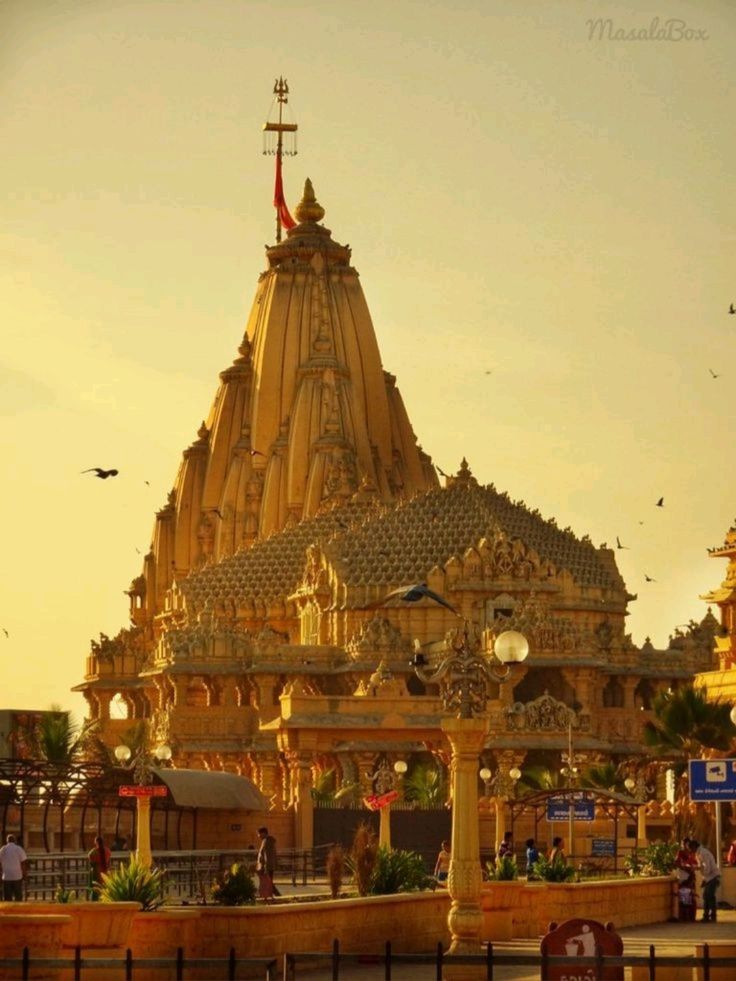
Days 1-2 begin in Ahmedabad with an overnight rail move to Veraval on the 22945 Ahmedabad-Veraval Express, followed by a full darshan day at Somnath. The 7:00 PM Sandhya Aarti followed by the "Jai Somnath" light-and-sound show is the classic closing ritual — the show tells the story of the temple's seven reconstructions across a thousand years and is worth the ₹120 ticket. Day 3 is a 150-kilometre road transfer to Dwarka for Nageshwar (Gujarat's second Jyotirlinga). Day 4 is Dwarkadhish Temple and Bet Dwarka — technically not a Jyotirlinga but the traditional pairing with Nageshwar.
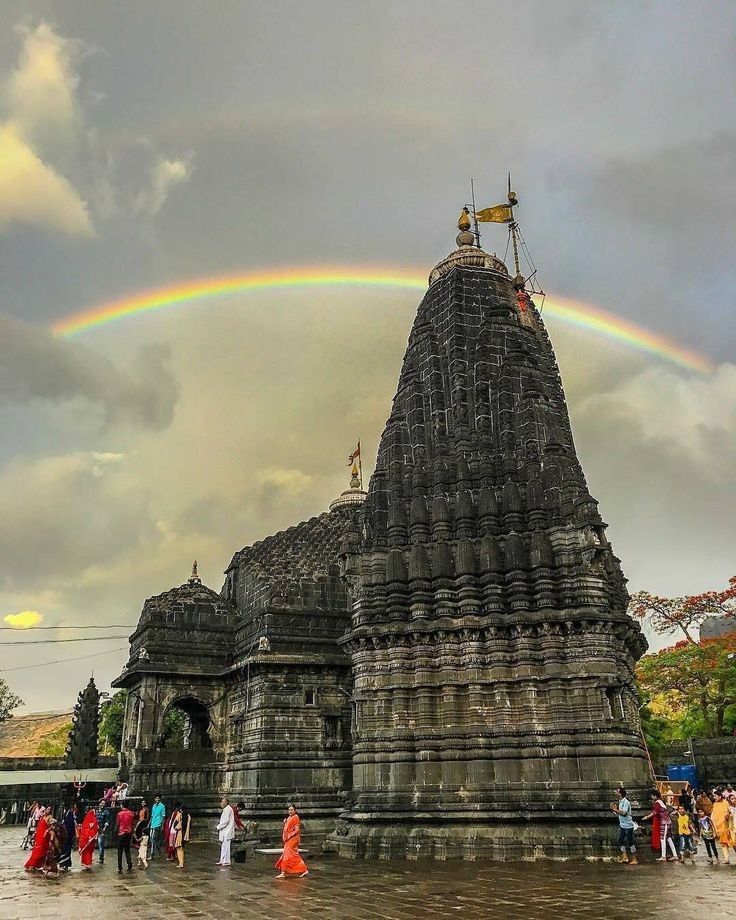
Days 5-7 shift into Maharashtra. An Ahmedabad-Mumbai overnight train followed by a short car ride brings you to Trimbakeshwar near Nashik for the Kaal Sarp Dosh Nivaran puja (which itself takes a full three days if you commission the complete ritual). If you are not commissioning the puja, a half-day at Trimbakeshwar is sufficient — the darshan, the Kushavarta Kund, and the Brahmagiri temple views. From Nashik, a four-hour drive on NH-160 drops you at Ellora for the twelfth Jyotirlinga — Grishneshwar — combined with the Ellora Caves in the afternoon. Grishneshwar itself takes ninety minutes; the Kailash Temple at Ellora deserves the rest of your day.
Week 2: Central India (Days 8-14)
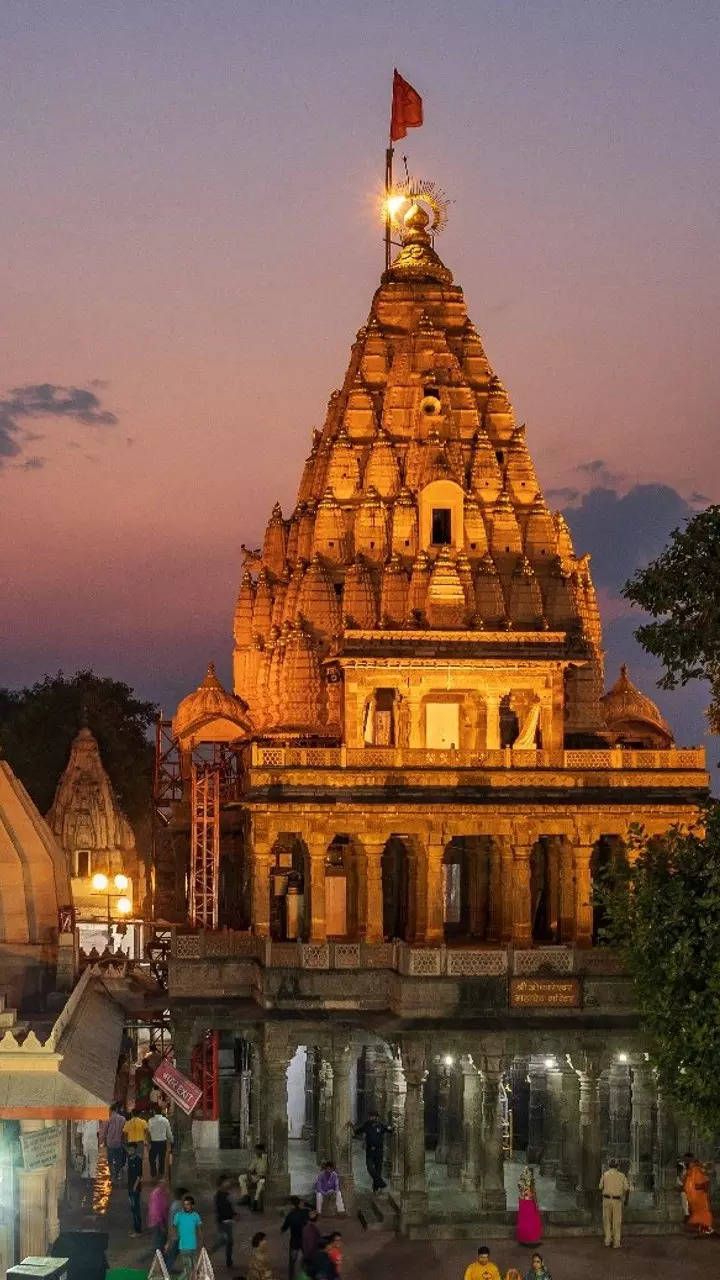
Days 8-10 cover the two Madhya Pradesh Jyotirlingas. An overnight train from Aurangabad to Ujjain positions you for the 4:00 AM Bhasma Aarti at Mahakaleshwar — book this online at least seven days in advance via shrimahakaleshwar.com. If the Bhasma Aarti slot is unavailable, the alternative is the 5:30 AM Nijaroop darshan which shows the lingam in its unadorned form and is significantly less crowded. From Ujjain, a three-hour drive on NH-52 to Omkareshwar completes the pair. On the way, stop at Maheshwar (a Devi Ahilya-era palace town on the Narmada) for lunch — the Narmada river walk here is the best pause in the entire circuit.
Day 11 is a genuine rest day; use it to travel to Pune via Indore (train or one-hour flight). Take this day seriously — by the eleventh day of continuous darshan, most pilgrims are dehydrated, running on inadequate sleep, and starting to make navigation mistakes at unfamiliar railway stations. Sleep in, do a laundry drop at your hotel, replace worn footwear, and reconfirm all onward bookings for the second half of the yatra.
Days 12-14 are the Sahyadri Ghats: Bhimashankar in the dense wildlife sanctuary above Pune. The last motorable point is high in the ghats and the temple lies 230 steps below — pack for cold morning mist even in summer. The endemic Malabar Giant Squirrel is easily spotted here at dawn if you are willing to stay overnight. Day 13 is a Pune-Nashik reset day; Day 14 is a Varanasi-bound flight or the 15-hour Godan Express train.
Week 3: The North + South Sprint (Days 15-21)
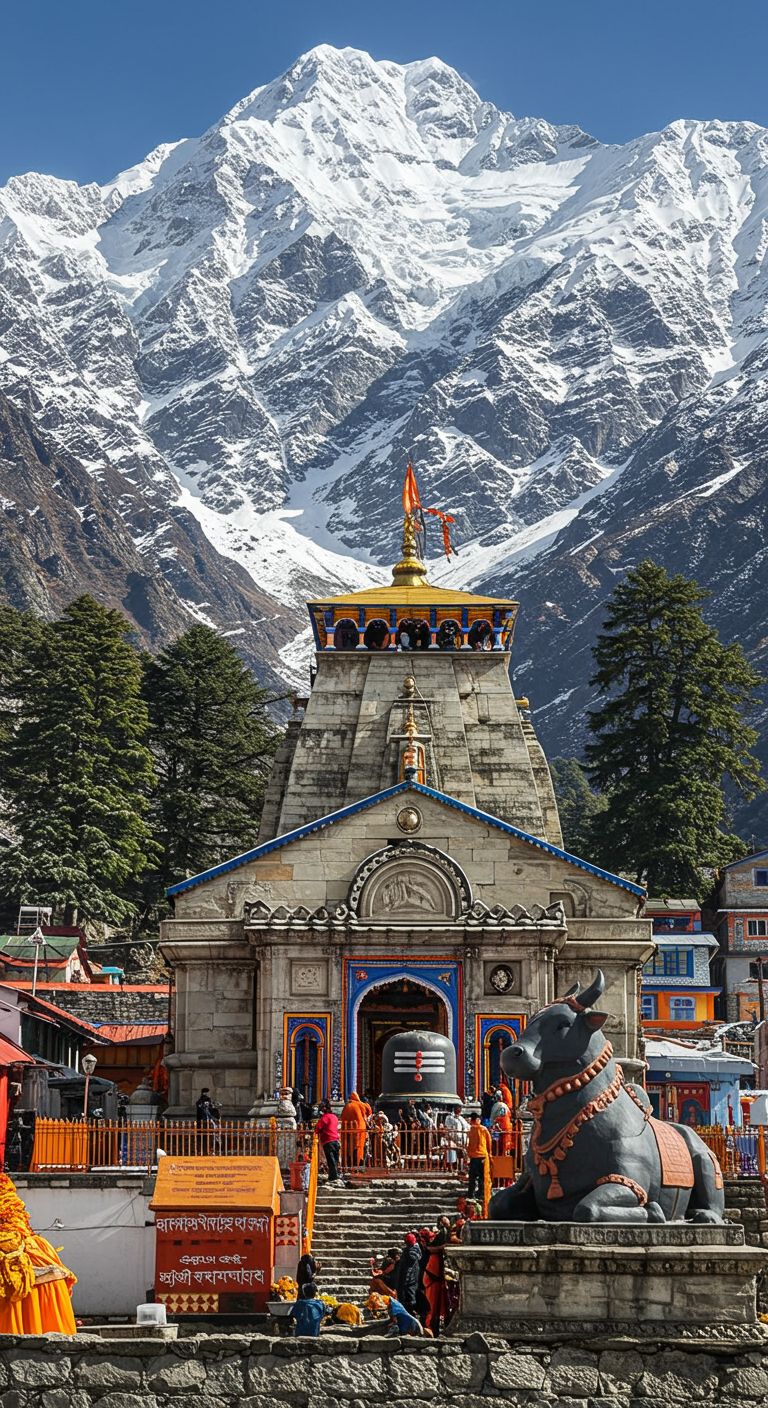
Days 15-17: Kashi Vishwanath in Varanasi, ideally including a dawn Ganga aarti at Assi Ghat and one of the paid Sringar Aarti slots at the temple. From Varanasi you have two ways to fit Kedarnath into the itinerary — the 22-hour road move to Rishikesh followed by a helicopter shuttle from Phata on Days 16-17, or (if you have already booked the Uttarakhand Char Dham helicopter package earlier in the year) it can happen as a full one-day fly-in-fly-out from Dehradun. Note that helicopter bookings for Kedarnath fill up 60-90 days in advance during the May-October season; do not attempt to book them last-minute.
Day 18: fly Varanasi-Hyderabad (or Delhi-Hyderabad if you routed Kedarnath through Delhi). Day 19: drive down to Srisailam for Mallikarjuna — the ghat road inside the Nagarjunasagar-Srisailam Tiger Reserve closes at 9:00 PM sharp, so target a 4:00 PM arrival. Day 20: a Hyderabad-Chennai flight and onward train/road to Rameshwaram; Day 21 completes the 22-Theertham Snan and the primary sanctum darshan at Ramanathaswamy, closing the yatra. Traditional pilgrims perform the yatra's samapan (closing ritual) with a symbolic dip at Agni Theertham on the Bay of Bengal.
Budget Snapshot (Per Person, Mid-Range)
A twin-sharing mid-range budget for this circuit — including AC-3 rail, one internal flight (Varanasi-Hyderabad), a Kedarnath helicopter round-trip, twenty nights of hotel stay in the ₹2,000-₹3,500 range, meals and puja dakshina — works out to approximately ₹95,000 to ₹1,25,000 per person. Cutting to Sleeper class and dharamshala accommodation brings this down to about ₹55,000; upgrading to premium 4-star hotels and all flights pushes it beyond ₹1,80,000. Try the interactive planner on this site to model your own combinations across origin city, transport mode, and stay category.
Two Practical Tips No Guidebook Tells You
First: carry two mobile phones or a dual-SIM handset. Reliance Jio has excellent coverage inside temple towns; Airtel loses signal in the Sahyadri, Nallamala, and Garhwal hills. Being unreachable at Bhimashankar or on the Kedarnath trek is a real safety issue for older pilgrims travelling alone. Second: at every Jyotirlinga, the temple's "official" free cloakroom is usually behind the main gate, not in front. The private cloakrooms in the surrounding lane charge ₹50-₹200 unofficially and often mishandle valuables. Deposit your phone and camera at the official counter and take the token before you enter the security queue.
Third bonus tip that pilgrims usually learn only on Day 15: carry printouts of all your booking confirmations. Many temple towns have unreliable connectivity, IRCTC PNR-status pages are frequently down, and hotel front-desks refuse to check you in without a printed booking. A single A4 folder with all 21 days of confirmations weighs nothing and saves at least one nightmare check-in over the course of the yatra.