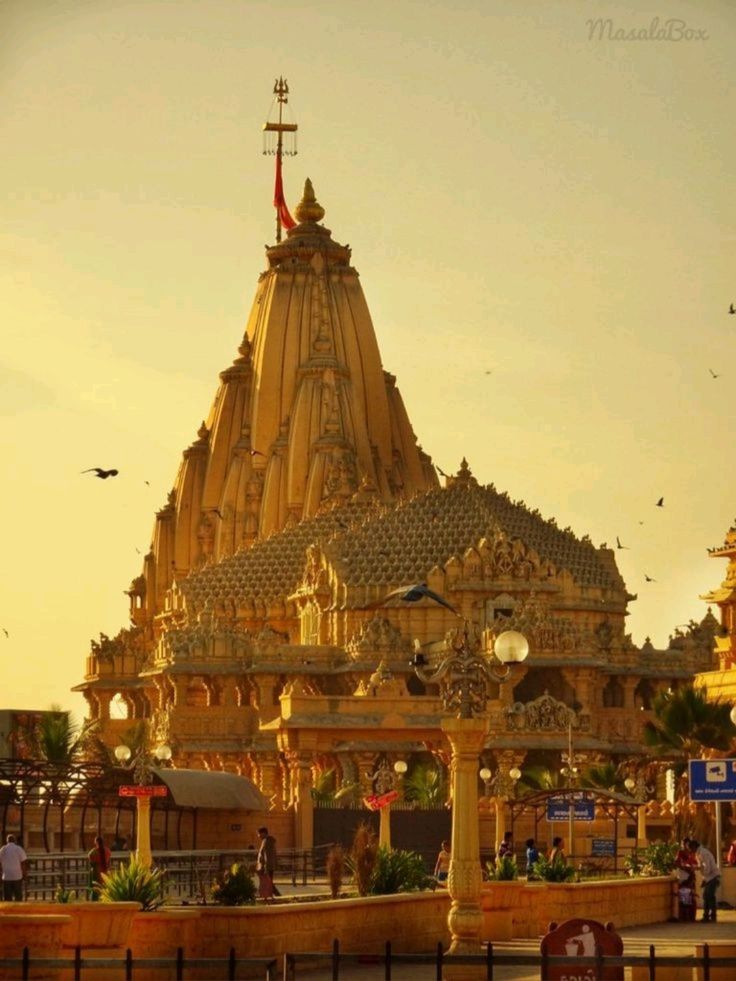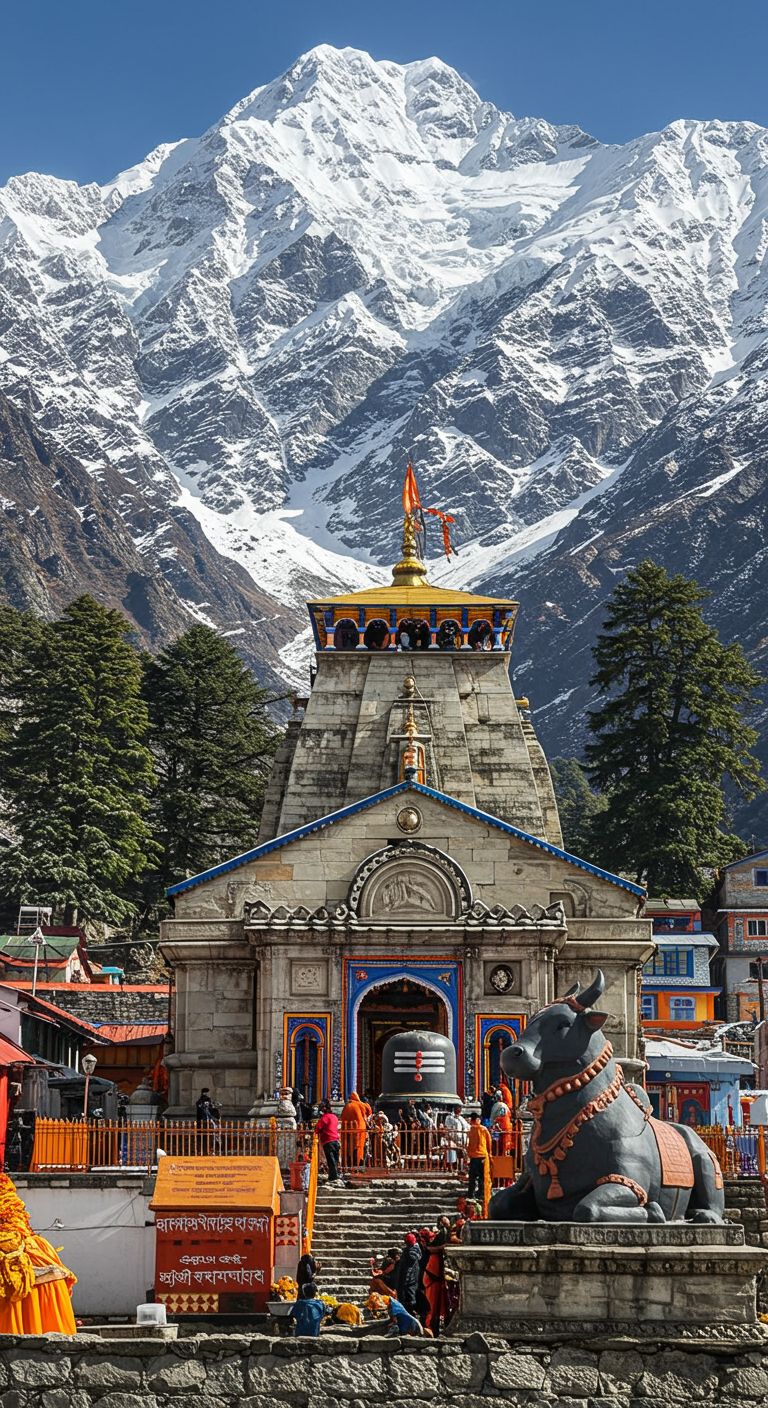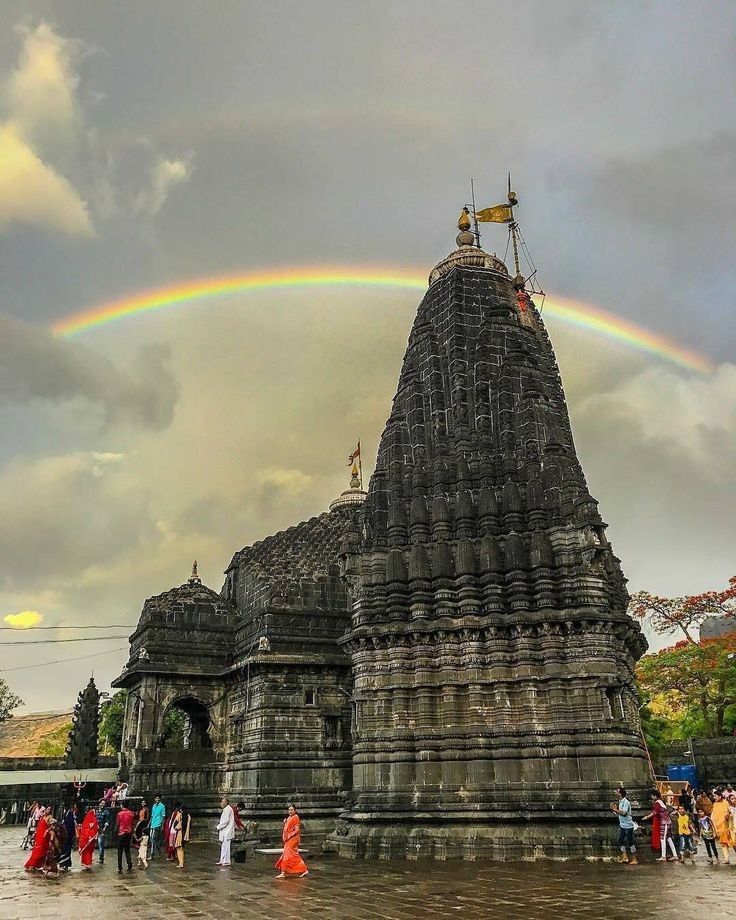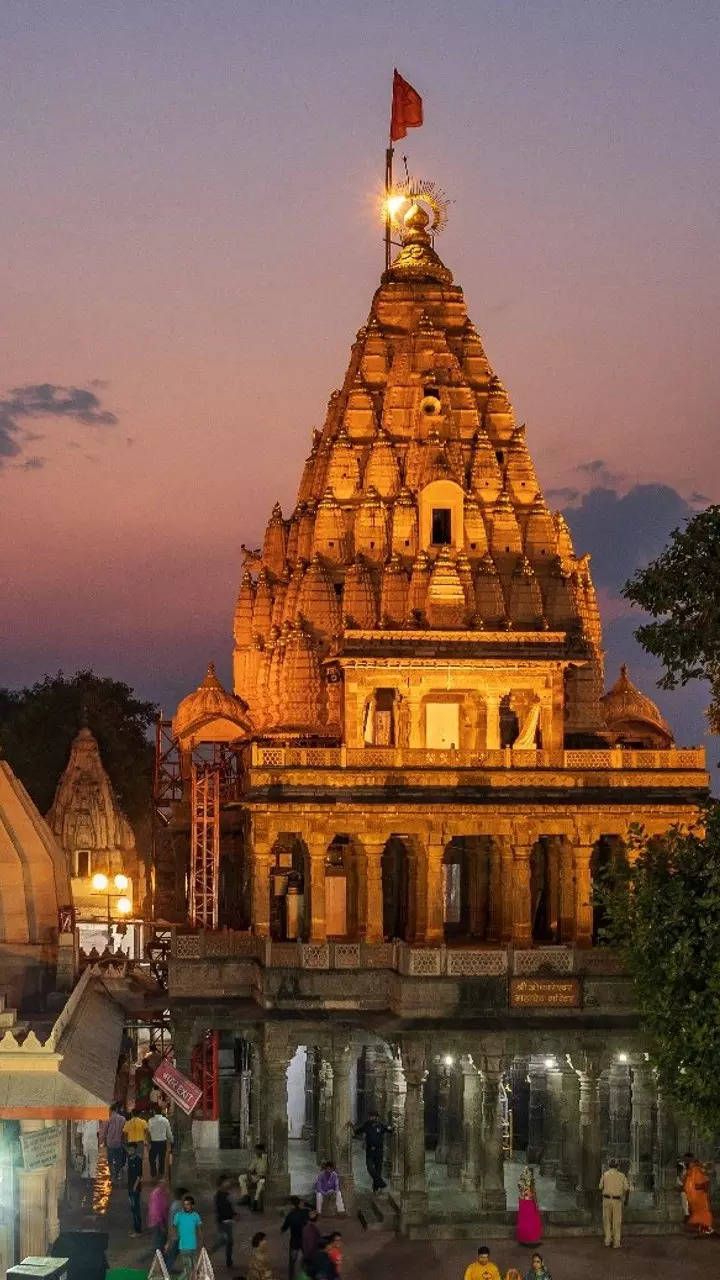
The 4:00 AM Bhasma Aarti at Mahakaleshwar is India's most difficult darshan to secure. Here is exactly how to book it, what to wear, and what happens inside the sanctum.
The Bhasma Aarti at Mahakaleshwar in Ujjain is arguably the most spiritually intense ritual in Shaivite worship. Performed at 4:00 AM every day of the year in the underground sanctum, the lingam is anointed with sacred ash (traditionally believed to be from cremation grounds; in modern practice, from Vedic hoams performed at the temple's own yajna-shala) before it is bathed in milk, curd, ghee, and honey. Attendance is limited to approximately 500 devotees per day. Here is how to actually get in, what to wear, and what to expect once you are inside.
Mahakaleshwar is one of only two Jyotirlingas (along with Kashi Vishwanath) that performs its most important daily ritual before sunrise. The rationale in classical Shaivite theology is that the Bhasma Aarti symbolises the annihilation of ego at the end of the cosmic night — hence performed in darkness. The ritual is over a thousand years old with a continuous unbroken tradition, one of the few in India where the sequence has remained essentially unchanged.
The Booking Process
Passes are booked exclusively at shrimahakaleshwar.com. The booking window opens seven days in advance at 12:00 noon and closes within minutes — sometimes seconds — during the Shravan and Shivratri seasons. Set an alarm, login two minutes before noon, and have your Aadhaar or passport details typed into a notepad ready to paste. The system does not allow saved preferences; every field must be re-entered each time you book.
The pass costs ₹200 per person for the general (Samanya) darshan and ₹1,500 for the VIP (Shighra) route which bypasses the main queue. Confirmation arrives as an SMS and email within 30 minutes; carry a printed copy plus the corresponding photo ID. Both the printed pass and the ID must be in the same person's name — passing your ID and booking on someone else's account will get you turned away at the checkpoint.
If the online booking is full, do not despair. The temple releases a small quota of on-the-spot passes at Gate 4 starting at 2:00 AM the same morning. This queue starts forming from midnight and gives you roughly a 15% chance of admission — enough that it is worth attempting if you are already in Ujjain.
The Dress Code — Strictly Enforced
Male devotees must attend in a dhoti with the upper body bare. A "sola" (waist cloth) is provided at the entry to those who arrive shirtless but without a formal upper cloth. Trousers and shirts are not permitted inside the sanctum during the aarti — you will be turned away. Rings, watches, and metal jewellery are asked to be removed, though a wedding ring is customarily allowed.
Female devotees must wear a saree — salwar-kameez is not accepted. Married women are traditionally expected to wear sindoor and mangalsutra. Menstruating women are asked not to enter the sanctum during this ritual, though the outer prakara remains open. Unmarried women can wear a saree in any traditional style. If you do not know how to drape a saree, hotels in Ujjain arrange a professional draping service for the pre-dawn attendance for ₹300-500 — book the night before.
What Actually Happens in the Sanctum
The sanctum is on the basement level of the temple, accessed by a descending staircase after security screening at Gate 4. Devotees are seated in three concentric arcs facing the lingam. The queue is strictly first-in first-seated — arriving at 2:30 AM instead of 3:00 AM guarantees you the front arc which has direct visual access to the ritual.
At exactly 4:00 AM, the priests uncover the lingam and begin the shodashopachar puja — the sixteen-step Vedic worship — while the Rudra Ashtadhyayi is chanted in the background. The chanting is amplified through the sanctum's natural stone acoustics rather than modern speakers, creating a resonance that many devotees describe as physically felt in the chest.
The bhasma is applied at the 12th step, using a set of three silver spoons. The ash is fine, dry, and warm to the touch — many devotees are startled by the warmth. As it is applied, the sanctum fills with the smoke of Vedic hoams — this is the moment devotees describe as viscerally overwhelming. The ritual runs approximately 90 minutes; devotees leave via the eastern gate around 5:45 AM as the pre-dawn light is just breaking over the Kshipra river.
Combining With Other Ujjain Sites
A full Ujjain morning after the Bhasma Aarti includes breakfast on Mahakal Road (the poha here is famously good — the shop opposite the northern gopuram has been operating since 1954), followed by Kal Bhairav Temple (where liquor is offered to the deity — an ancient tantric ritual you can witness up close), Harsiddhi Devi (a Shakti Peetha where the goddess Sati's elbow is said to have fallen), and finally the Sandipani Ashram where Lord Krishna is said to have received his education. If you finish by 11:30 AM, you can drive to Omkareshwar for the mid-day darshan the same day.
The new Mahakal Lok corridor, inaugurated in 2022, is worth a separate evening visit even if you have already attended the Bhasma Aarti — it houses 108 sandstone pillars and 200 murals depicting the Shiva Purana, and the illuminated night walk is genuinely striking. Entry to the corridor is free; the lit-up experience runs 7:00 PM to 10:00 PM.