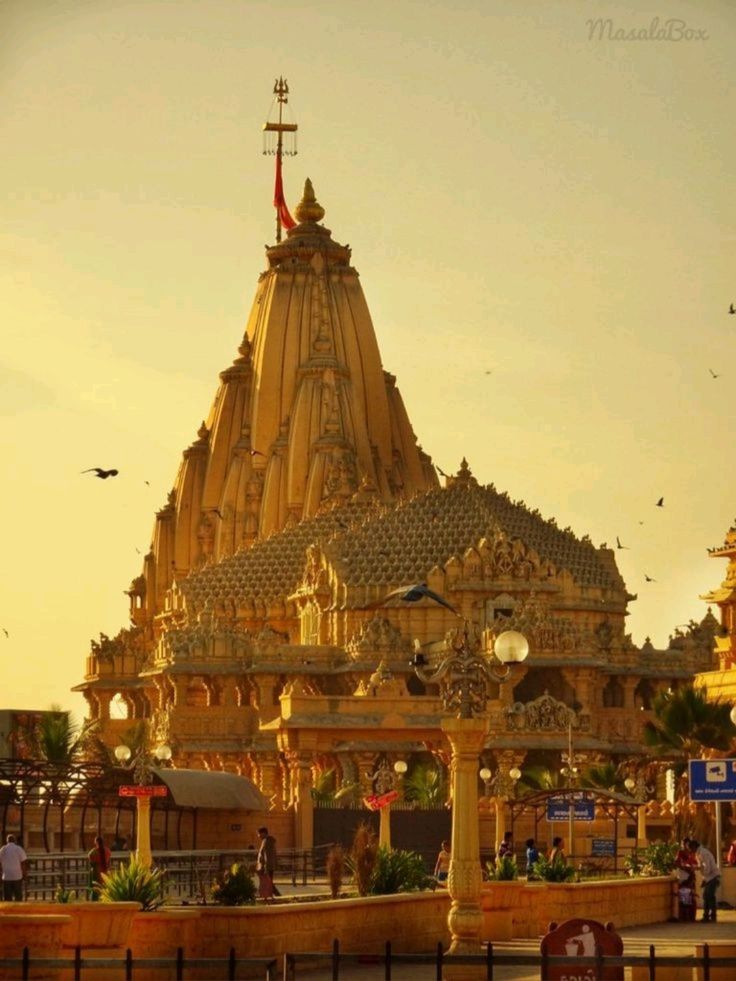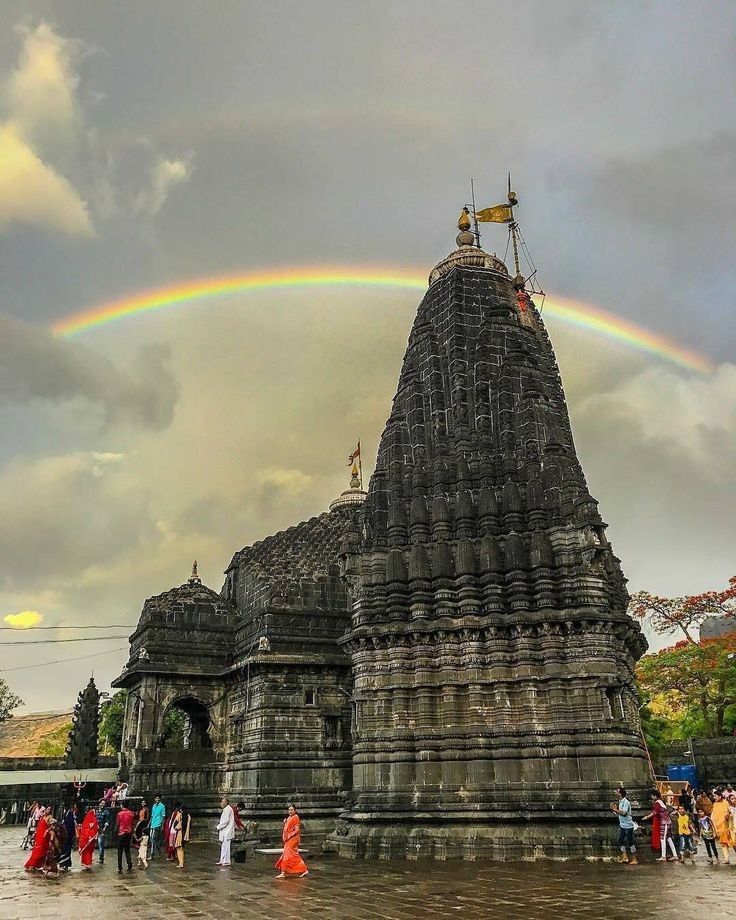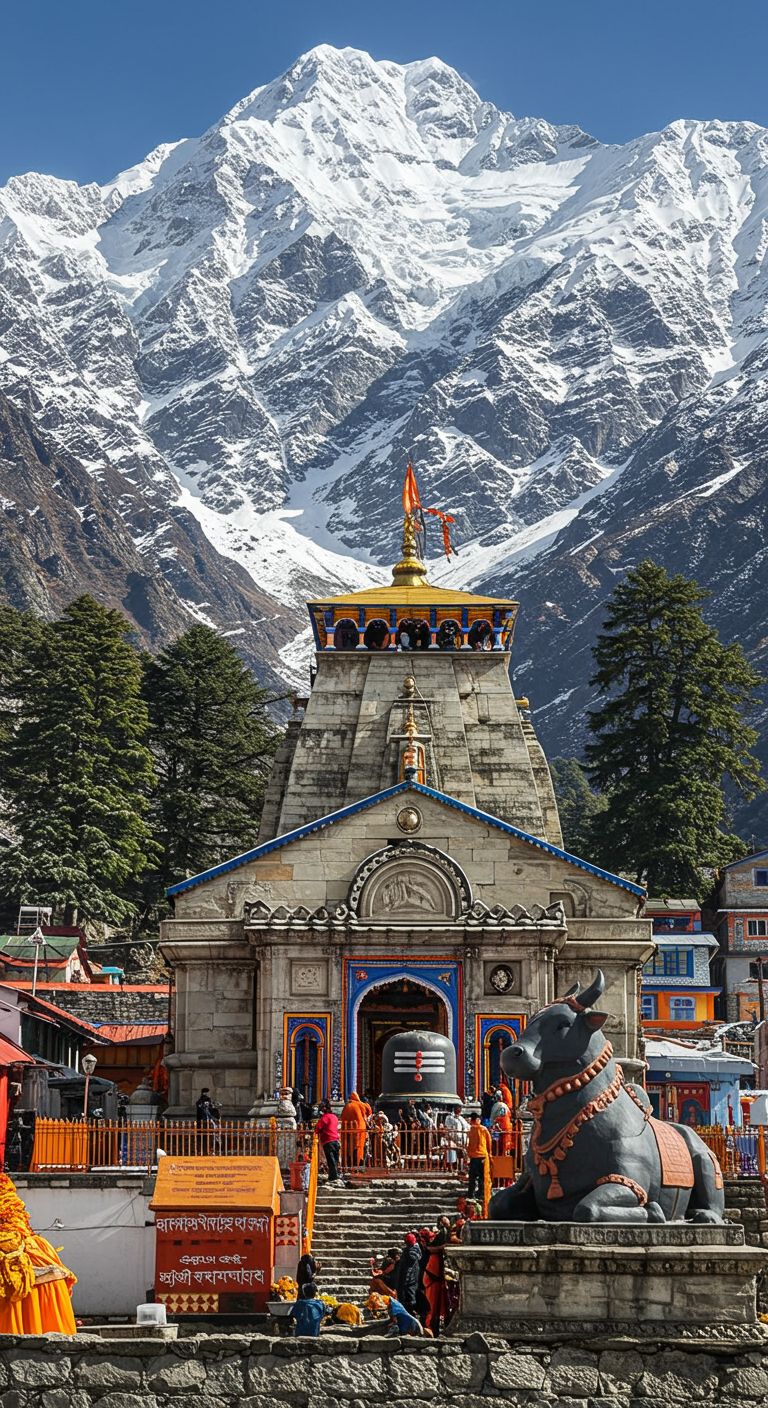
Kedarnath is the most famous of the five Kedar shrines. Here is the complete route through Tunganath, Madhyamaheshwar, Rudranath, and Kalpeshwar.
When the Pandavas sought Lord Shiva to absolve the sin of fratricide after the Kurukshetra war, he took the form of a bull and dived into the Garhwal earth to escape them. His hump surfaced at Kedarnath, his navel at Madhyamaheshwar, his arms at Tunganath, his face at Rudranath, and his matted hair at Kalpeshwar. These five shrines together form the Panch Kedar circuit — a demanding 250-kilometre trek through the Garhwal Himalayas that few pilgrims complete in one season.
Serious yatris consider the completion of all five Kedars — in the classical order — as more spiritually significant than a single Kedarnath visit. The circuit takes you through some of the most remote and least-photographed corners of Uttarakhand, and the sequence of increasing solitude at each stop is often described as an inner pilgrimage as much as an outer one. This guide walks through each of the five, in order.
Kedarnath — The First and Largest
Kedarnath is 3,583 metres above sea level, reached by a 16-kilometre trek from Gaurikund or a helicopter from Phata/Sersi/Guptkashi. It is open May-November and is the only one of the five Kedars that is also a Jyotirlinga. Most pilgrims stop here, but the Panch Kedar tradition considers a Kedarnath-only visit incomplete. The temple itself is a massive stone structure that has stood without mortar for over a thousand years.
The most rewarding way to attempt Kedarnath as part of the Panch Kedar is to do it last, not first — arriving at the crown of the circuit with the psychological weight of the previous four already accomplished. This is the traditional Adi Shankaracharya sequence, though modern trekkers usually reverse it for logistical convenience.
Tunganath — The Highest Shiva Temple in the World
Tunganath at 3,680 metres holds the record for the highest Shiva shrine on Earth. The trek is short by Himalayan standards — 3.5 kilometres from Chopta on the Rishikesh-Badrinath road — and the round trip takes about 4-5 hours. Combined with the Chandrashila summit (300 metres above the temple, another 1.5 kilometres one-way) it makes an excellent one-day acclimatisation before Kedarnath. Chandrashila offers a 270-degree view of Chaukhamba, Nanda Devi, Nanda Ghunti, Trishul, Kedarnath Dome, and Bandarpunch — arguably the finest single Himalayan panorama accessible on a day-hike.
The Tunganath temple itself is a small stone structure with an ancient lingam. Winter closes the shrine (December-March); the deity is moved to Mukkumath village during closure and worshipped there. Photography is discouraged inside the sanctum; the exterior views alone justify the trek.
Madhyamaheshwar — The Hidden Sanctuary
Madhyamaheshwar at 3,289 metres is the least visited Kedar. Reached by a 24-kilometre trek from Ransi village near Ukhimath, the last 4 kilometres climb through the Mansuna forest is spectacular but demanding. Plan two nights on the trek — one at Bantoli, one at Gaundhar. The temple opens the same season as Kedarnath but sees under 5,000 pilgrims a year against Kedarnath's 900,000. This solitude is precisely why serious yatris consider Madhyamaheshwar the spiritual peak of the five-shrine circuit.
The Buda Madhyamaheshwar shrine, another 2 kilometres beyond the main temple, is even more remote and considered by classical yatris to be the "authentic" Madhyamaheshwar — the main temple was a later, more accessible construction. Only those with a full week to spare and Himalayan trekking experience attempt this extension.
Rudranath — The Ridge Walk
Rudranath at 3,600 metres involves the longest single trek — 22 kilometres one-way from Sagar village near Gopeshwar, following an exposed ridge with panoramic views of Chaukhamba, Nanda Devi, Nanda Ghunti, and Trishul. Weather here changes fast; carry rain gear even in June. The temple is a small stone cell with the "face" of Shiva as a naturally formed rock — devotees describe it as the most visually striking of the five.
The Panar Bugyal — the alpine meadow you cross on the way to Rudranath — is where most trekkers camp overnight. The stargazing here, at 3,200 metres altitude with zero light pollution, is arguably the best in Uttarakhand. Local shepherd families run basic tea shelters along the route; use these and tip generously — the shepherds serve as informal rescue coordinators when weather turns.
Kalpeshwar — The Only Year-Round Kedar
Kalpeshwar at 2,200 metres is the only Panch Kedar open through winter. Reached by an easy 500-metre walk from the road at Devgram in the Urgam valley, the temple houses the matted hair (jata) of Shiva as a natural rock formation. Most pilgrims combine Kalpeshwar with Kalpa Ganga and the Urgam eco-village stays. This is the natural first stop for the Panch Kedar circuit — the low altitude and easy access make it an acclimatisation-friendly opener.
Urgam village itself deserves a two-day stay. Traditional stone-slate architecture, apple and walnut orchards, and a night sky comparable to Panar Bugyal make it one of Uttarakhand's most underrated rural stays. Several eco-tourism homestays run by local families cost ₹800-1,500 per night including three home-cooked Garhwali meals.
The Traditional Sequence and How Long It Takes
The shastric sequence is Kedarnath → Madhyamaheshwar → Tunganath → Rudranath → Kalpeshwar. Serious yatris complete the full circuit in 18-22 days between May and October. A more relaxed 25-30 day itinerary with rest days is safer for older pilgrims. Solo trekking to Rudranath and Madhyamaheshwar is discouraged — hire a Garhwal Mandal Vikas Nigam (GMVN) porter-guide combination for around ₹1,800 per day. Confirmed and insured trekking agencies also operate Panch Kedar packages from Rishikesh; expect to pay ₹45,000-₹75,000 per person for a fully supported 22-day trip.