Each Jyotirlinga has a distinct climate and festival calendar. Here is the exact month-by-month window when each temple is at its most rewarding — with what to avoid.
The Dwadash Jyotirlinga circuit spans five climate zones — coastal Gujarat, the Deccan plateau, the Malwa lowlands, the Himalayan alpine, and the deep South. A trip planned for the "usual" tourist window of October-March gives ideal weather at seven of the twelve temples but ruins the experience at four others. This is the honest month-by-month window for each Jyotirlinga, based on multi-year weather data and pilgrim traffic patterns rather than the generic advice on most travel blogs.
Two dimensions matter for choosing a visit window: physical comfort (temperature, rainfall, road conditions) and spiritual density (festival calendar, crowd levels, ritual access). These two dimensions often push in opposite directions — Maha Shivratri gives you the highest spiritual charge but also the worst physical experience. This guide separates the two so you can make an informed trade-off.
Winter Sweet Spot: October to February
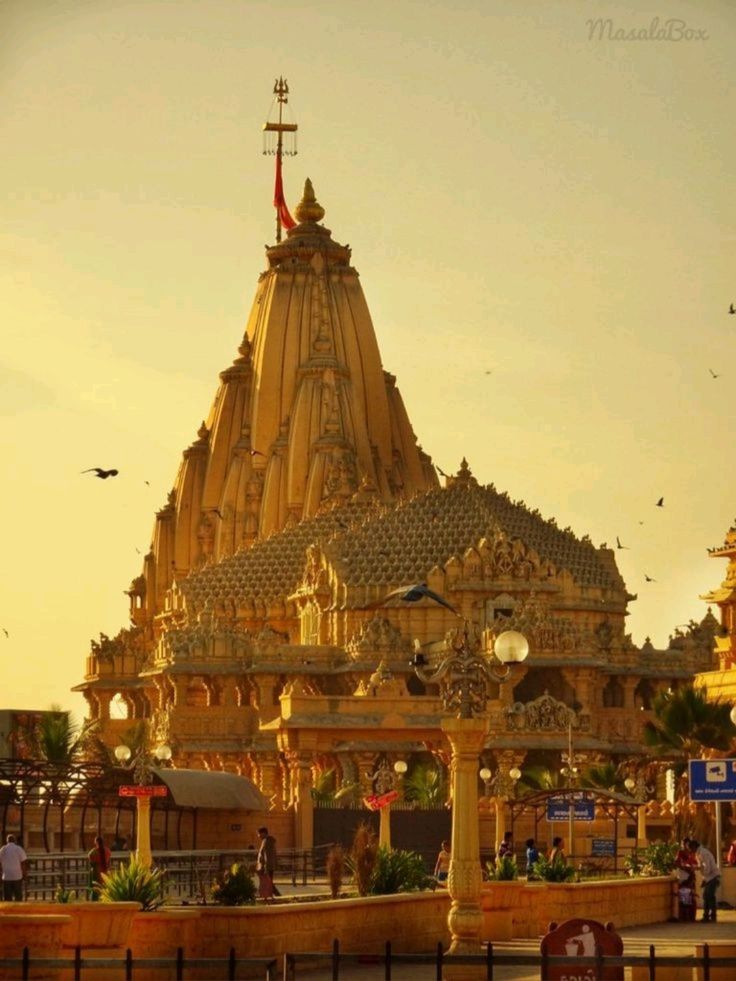
Somnath, Nageshwar, Kashi Vishwanath, Baidyanath (Deoghar), Rameshwaram, Grishneshwar, and Mallikarjuna are all at their best in these months. Coastal Gujarat cools to a comfortable 20-28°C; Varanasi mornings on the ghats can drop below 8°C which makes the pre-dawn Mangala Aarti unforgettable — you will remember the biting cold as vividly as the ritual itself. Rameshwaram sees the Thai Amavasya mass shraddha rituals in January and is dry through February. Mallikarjuna's Nallamala plateau at Srisailam drops to 10°C at night in December-January — carry warm clothing that most Indians never associate with Andhra Pradesh.
Avoid these seven temples between April and June — heat routinely exceeds 40°C at Somnath, Deoghar, and Mallikarjuna, and the Rameshwaram-Dhanushkodi stretch becomes uncomfortably humid. Interior Tamil Nadu's pre-monsoon April "agni nakshatram" period is particularly brutal; older pilgrims should schedule Rameshwaram outside these two months even if it forces a January or December visit.
Monsoon Advantage: July to September
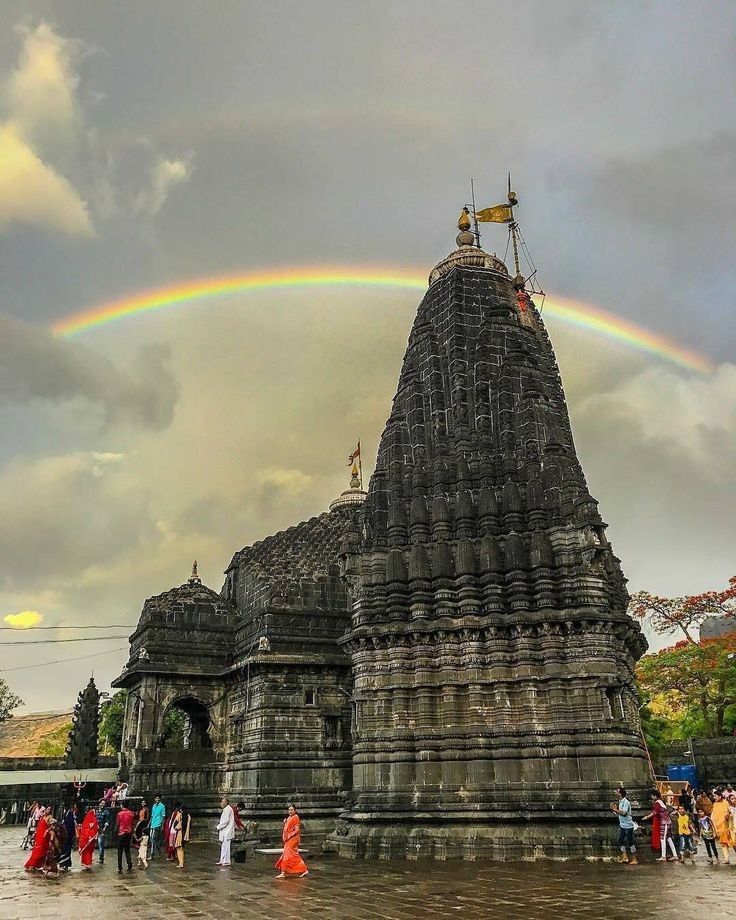
Bhimashankar and Trimbakeshwar are objectively best in the monsoon. The Sahyadri hills come alive with waterfalls; the endemic Malabar Giant Squirrel is easier to spot; and the Trimbakeshwar-Nashik-Godavari basin explodes into green. The catch: heavy rain and leeches. Wear closed shoes with salt in your socks and carry rain-cover ponchos. The 230-step descent to the Bhimashankar sanctum becomes properly slippery — grip-sole footwear is essential.
This is also the month for the Shravan Somvar (Monday) pilgrimages to Baidyanath and Kashi Vishwanath. If you want to experience the Kanwariya yatra energy, the last three Shravan Mondays (July-August) draw millions — do not attempt if you dislike crowds. However, if you are up for it, the Kanwariya darshan is one of the most powerful mass-devotion experiences in India, comparable to the Kumbh Mela in intensity but with a stronger single-deity focus.
Summer Only: May and October (Kedarnath)
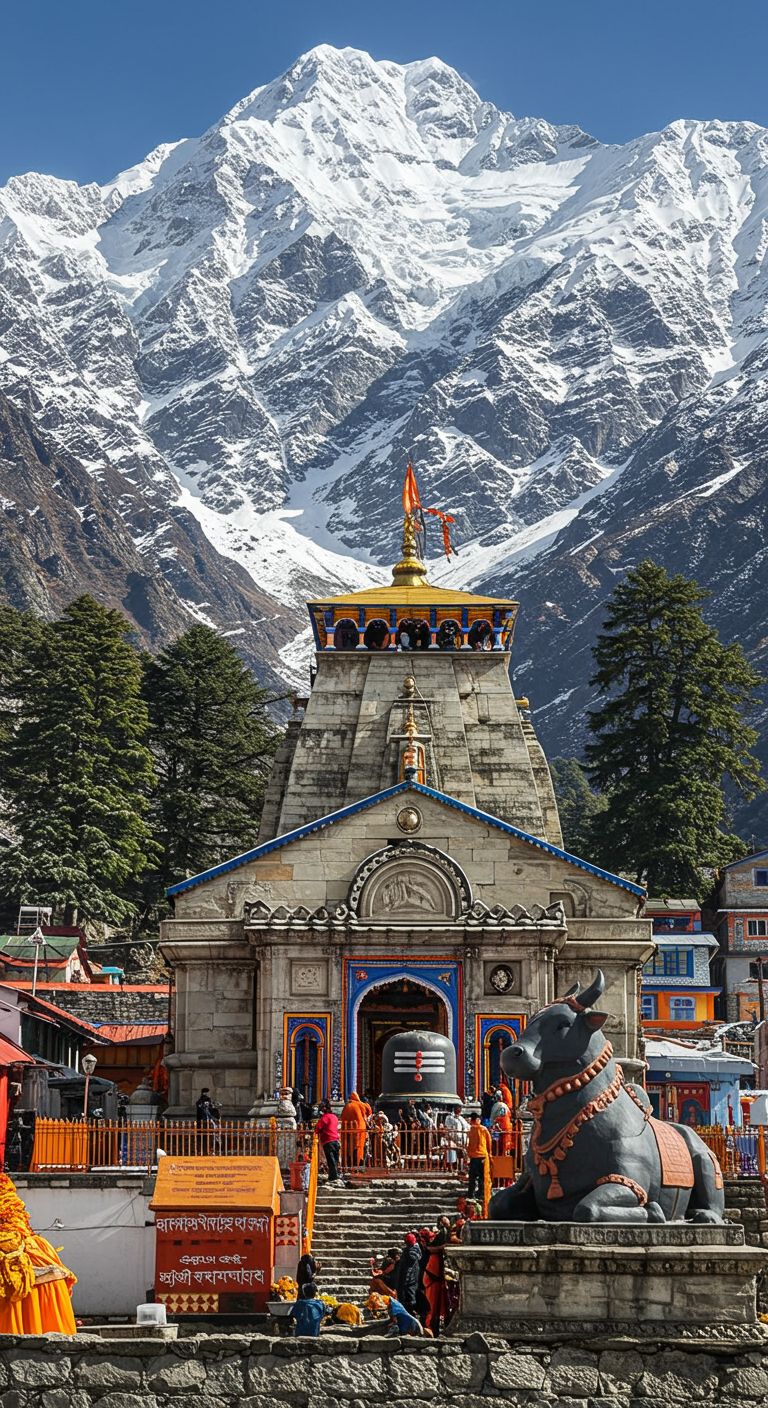
Kedarnath is the only truly seasonal Jyotirlinga. The temple opens on Akshaya Tritiya (usually late April or early May) and closes on Bhai Dooj (usually late October or early November) — outside these six months the deity is moved down to Omkareshwar Temple at Ukhimath, where a smaller but genuine darshan continues year-round. Within the season, the sweet spots are late May-early June (before the monsoon) and mid-September to mid-October (after the monsoon). Peak monsoon (July-August) sees the trek route repeatedly closed by landslides — 2013's catastrophic flood is only the worst-known example of a pattern that recurs almost every year.
If you are attempting Kedarnath in the shoulder seasons, note that helicopter services from Phata, Sersi, and Guptkashi run limited schedules; the popular fly-in-fly-out day option becomes weather-dependent. Bookings via heliyatra.irctc.co.in open in phases starting mid-March each season. Always book flexible flight tickets to Dehradun — one full extra day for weather buffer is prudent.
Ujjain and Omkareshwar: Best October to March
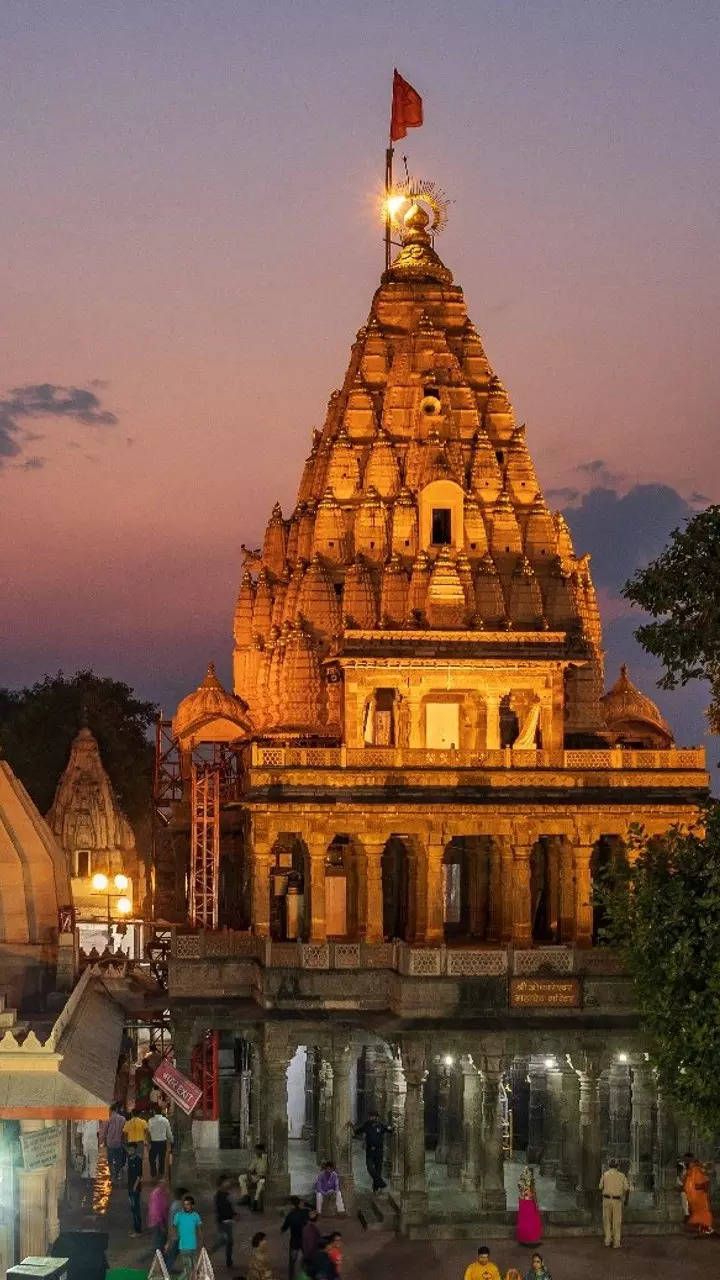
The two Madhya Pradesh Jyotirlingas both peak between October and March. Ujjain's Maha Shivratri (February) is legendary — the Shahi Sawari procession is the largest civic ritual in central India — but comes with heavy crowds. If you want the Bhasma Aarti in a quieter setting, target the last two weeks of December when the winter fog occasionally reveals a stunning sunrise over the Kshipra river. Omkareshwar's island setting is at its most photogenic in late November when the river is still full from the monsoon but the sky is clear.
The One-Month Compromise Window
If you must do the whole circuit in a single month with acceptable weather everywhere, choose late September to mid-October. Kedarnath is still open; the Sahyadri monsoon has subsided; the plains have cooled below 32°C; and the winter fog has not yet started disrupting flights. This is why serious pilgrimage tour operators bunch their departures in these three weeks. You will pay slightly more for hotels — this is peak yatra season — but you will not have to skip any temple due to weather.
The alternate compromise window is mid-February to mid-March — Kedarnath is closed but the other eleven are all comfortable, and you can substitute the winter Omkareshwar-Ukhimath darshan (where the Kedarnath deity resides during winter closure). This is the classic path for elderly pilgrims who cannot handle the Kedarnath trek or helicopter journey at any time of year.
One final consideration that few blogs mention: the festival calendar of your own family tradition. Many families have specific vratas and observances tied to particular months — Shravan Somvars, Kartik Purnima, Maha Shivratri, Aadi Amavasya. If your family observes any of these, timing your Jyotirlinga visit to coincide with the specific vrata at the matching temple multiplies the spiritual value in classical Vedic thought. Speak to your family priest before finalising the yatra dates; a five-day shift can transform an ordinary darshan into a shastrically loaded one.