The Char Dham and the Dwadash Jyotirlinga are India's two great pilgrimage circuits. Here is a practical comparison of scope, cost, difficulty, and spiritual focus.
Devout Hindus recognise two great pilgrimage circuits — the Char Dham (four abodes) and the Dwadash Jyotirlinga (twelve radiant lingams). The two overlap at exactly one point: Kedarnath is on both. Everything else about them differs. Here is how to choose which to attempt first, based on your age, fitness level, budget, sectarian tradition, and available time.
Neither circuit is "better" than the other in classical Hindu thought — they serve different spiritual purposes. The Char Dham is a pan-sectarian journey that touches Vishnu, Shiva, and Devi shrines and represents the geographical scale of Sanatan Dharma. The Jyotirlinga circuit is exclusively Shaivite and represents the theological depth of Shiva-worship. Serious pilgrims usually complete both across a lifetime, but the starting choice matters.
What is the Char Dham?
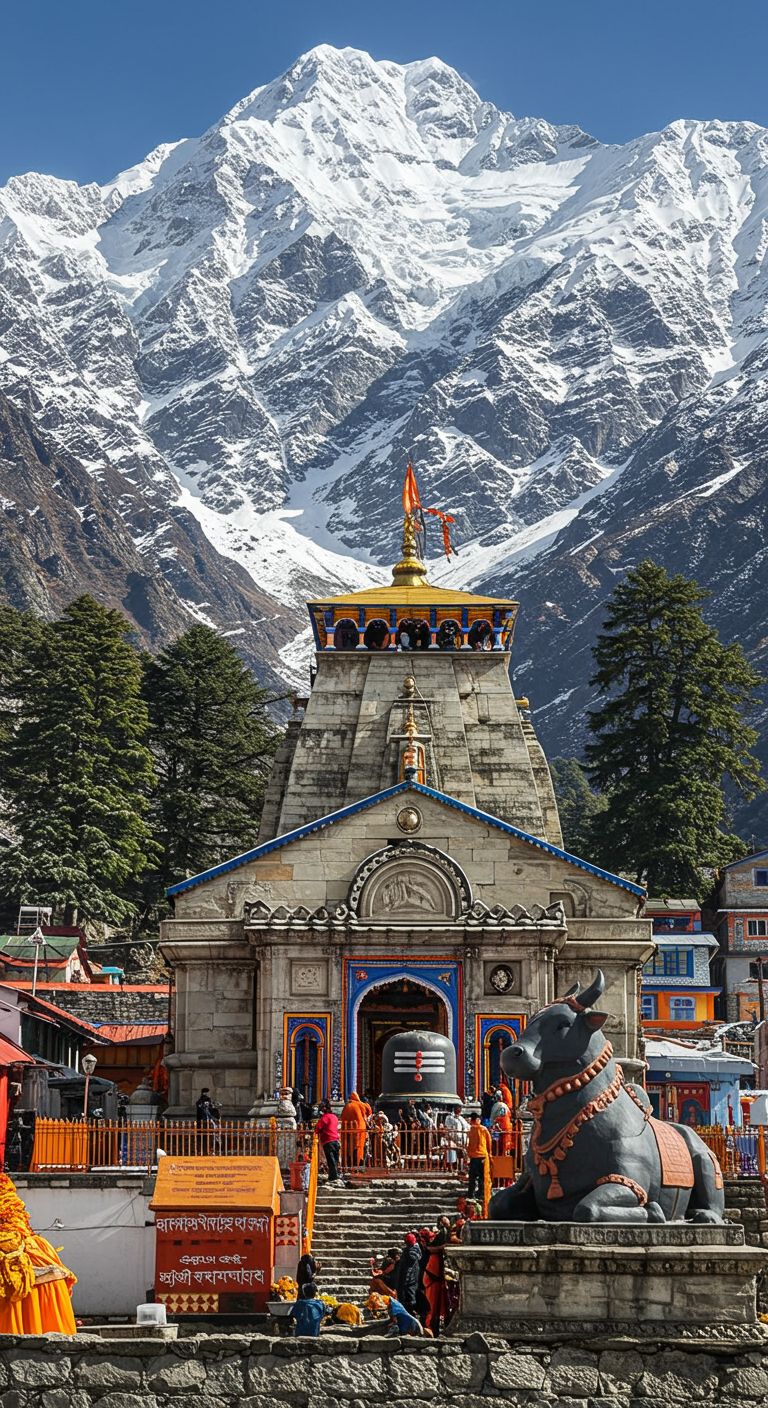
The pan-India Char Dham designated by Adi Shankaracharya in the 8th century comprises Badrinath (north), Jagannath Puri (east), Rameshwaram (south), and Dwarka (west). This is the classical Char Dham and is theologically the more significant of the two Char Dhams that exist today. In parallel, the Uttarakhand government promotes a "Chota Char Dham" or "Himalayan Char Dham" consisting of Badrinath, Kedarnath, Gangotri, and Yamunotri — all within Uttarakhand. When most Indians say "Char Dham" today they mean the Himalayan set — it is the more commonly attempted of the two.
The Himalayan Char Dham gets over four million pilgrims annually and is heavily commercialised through Uttarakhand state tourism. The classical Char Dham is attempted by only a few tens of thousands each year — the logistics of covering four corners of India in a single trip put most families off.
What is the Dwadash Jyotirlinga?
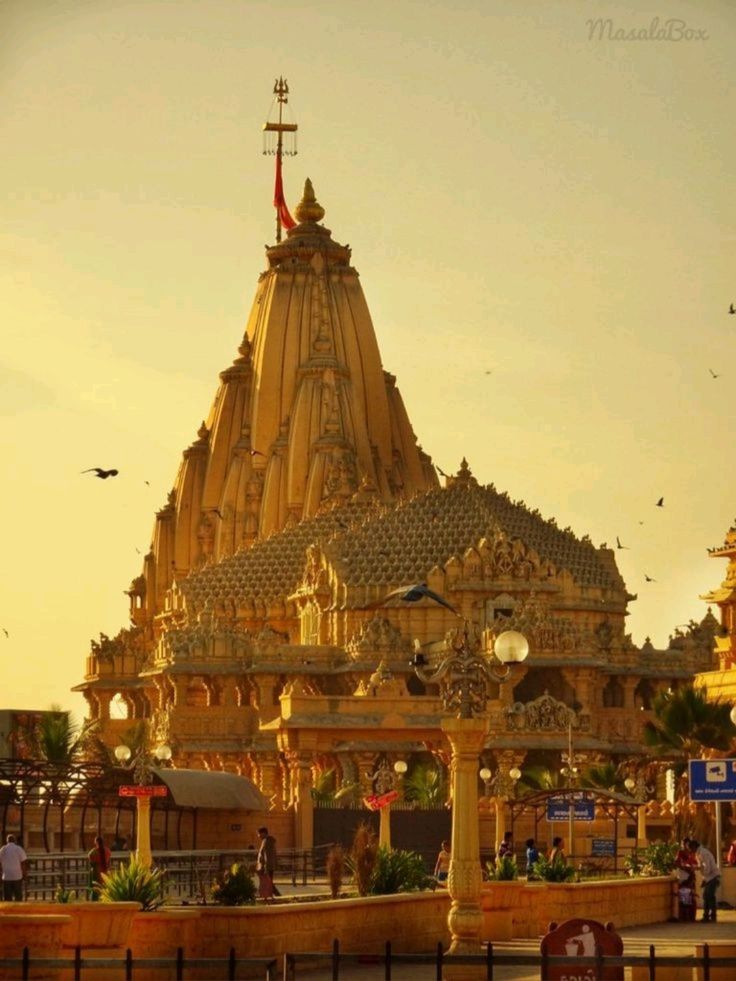
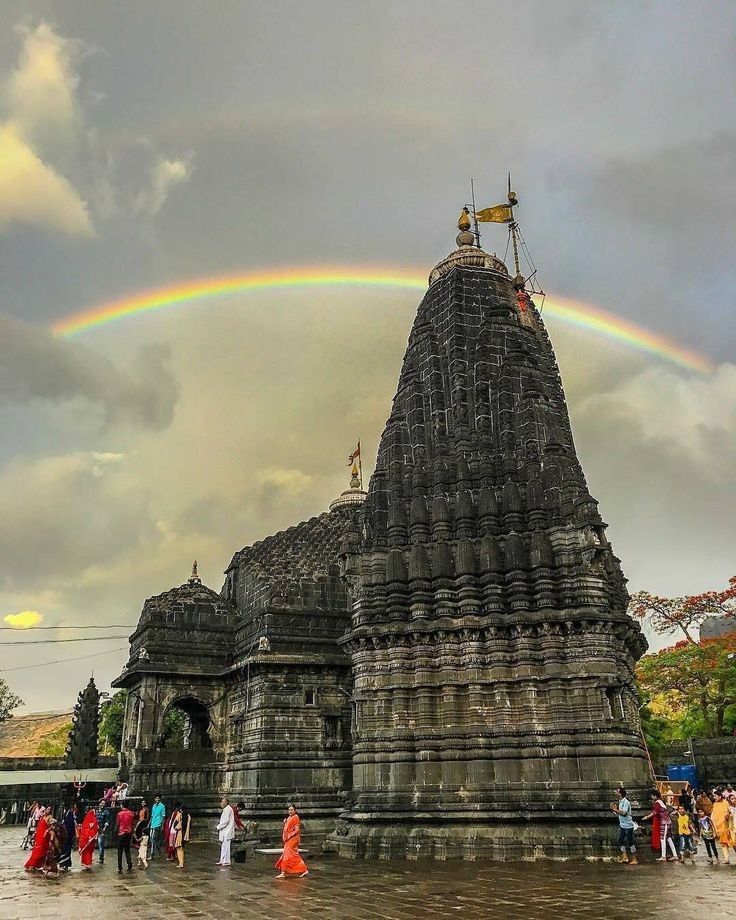
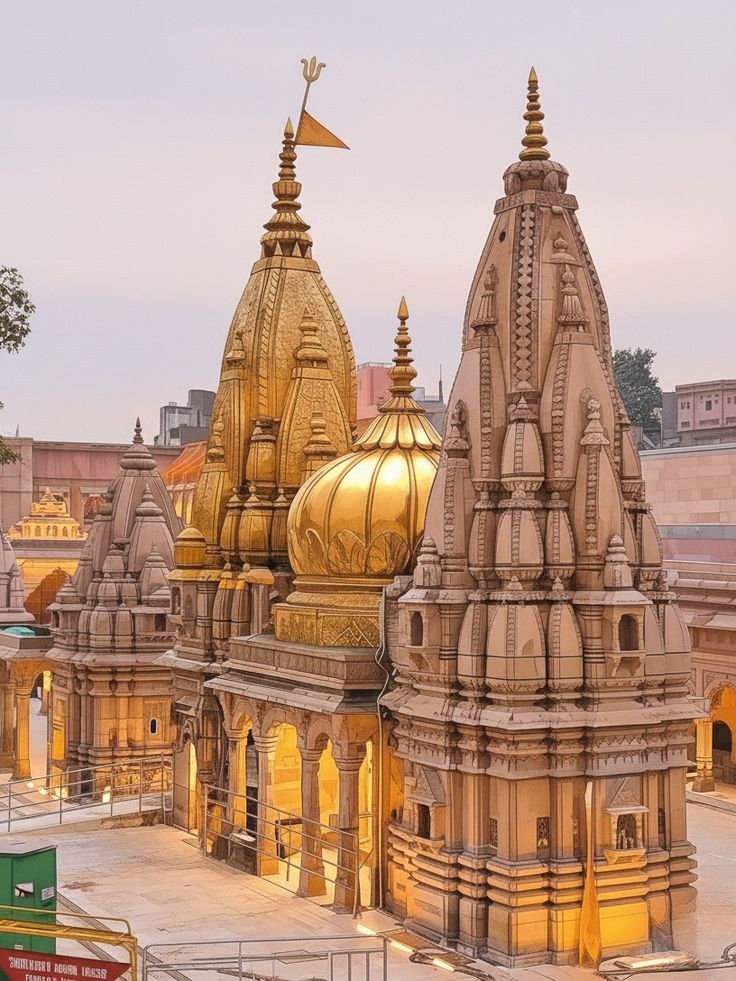
The twelve Jyotirlingas are Shiva-only shrines named in the Shiva Purana: Somnath, Mallikarjuna, Mahakaleshwar, Omkareshwar, Kedarnath, Bhimashankar, Kashi Vishwanath, Trimbakeshwar, Baidyanath, Nageshwar, Rameshwaram, and Grishneshwar. Unlike the Char Dham (which is inter-sectarian — Vishnu + Krishna + Shiva + Devi), the Jyotirlinga circuit is exclusively Shaivite. The Shiva Purana ties all twelve into a single narrative through the origin story of the Jyotirlinga itself — the pillar of light Shiva manifested to prove his supremacy over Brahma and Vishnu.
Comparison at a Glance
Duration: Himalayan Char Dham can be completed in 10-12 days. Classical Char Dham needs 15-18 days. The full Dwadash Jyotirlinga needs 18-21 days.
Difficulty: Himalayan Char Dham is the hardest — Yamunotri and Kedarnath both involve significant treks at over 3,000 metres altitude. Classical Char Dham is moderate — all four sites are drive-in/fly-in. Jyotirlinga is moderate too — only Kedarnath is a demanding trek; the other eleven are drive-in or walk-in.
Cost (mid-range twin sharing, per person): Himalayan Char Dham ₹45,000-₹65,000. Classical Char Dham ₹85,000-₹1,10,000. Dwadash Jyotirlinga ₹95,000-₹1,25,000. These numbers assume AC-3 rail, one or two internal flights, and mid-range hotels; they scale down by ~40% for sleeper class and dharamshala accommodation, and up by ~60% for premium 4-star hotels.
Seasonality: Himalayan Char Dham runs May-October only (Yamunotri and Kedarnath close in winter). Classical Char Dham is year-round except peak monsoon. Dwadash Jyotirlinga is year-round if you skip or fly to Kedarnath in the off-season and worship at Ukhimath (winter seat) instead.
Which Should a First-Timer Choose?
For most first-time pilgrims, the Himalayan Char Dham is the natural starting point — it is shorter, cheaper, and packaged conveniently by state tourism. If you are exclusively Shaivite (or your family has a Shiva-only puja tradition), the Jyotirlinga circuit is more coherent — the Shiva Purana ties all twelve into a single narrative. Serious pilgrims who plan to eventually attempt both usually do the Himalayan Char Dham first, then the Jyotirlinga circuit five to ten years later once they have more travel experience and savings.
If you are over 65 and have not attempted either yet, we suggest the classical Char Dham — the low-altitude, single-site-per-destination nature makes it physically far easier than either the Himalayan Char Dham (Yamunotri trek) or the Jyotirlinga circuit (Kedarnath trek plus twelve continuous days of travel).
The Rare Third Option: The Classical Char Dham
The original inter-sectarian Char Dham (Badrinath - Puri - Rameshwaram - Dwarka) is now the least attempted of the three. It requires substantial logistics — a flight from Bhubaneswar to Chennai, then a train to Rameshwaram, then a flight to Ahmedabad for Dwarka — but the reward is a genuinely pan-Indian pilgrimage that touches every corner of the sacred geography. Most tour operators no longer package it; you will need to self-organise or work with a specialist yatra planner.
The classical Char Dham also has strong emotional resonance for Indians who grew up in inter-sectarian family traditions — parents from a Vaishnava tradition and grandparents from a Shaivite one, for example. It creates a single yatra that honours the whole family lineage rather than choosing one sect over another.