The 108 km barefoot pilgrimage from Sultanganj to Deoghar is India's largest annual religious walk. Here is the route breakdown and safety checklist.
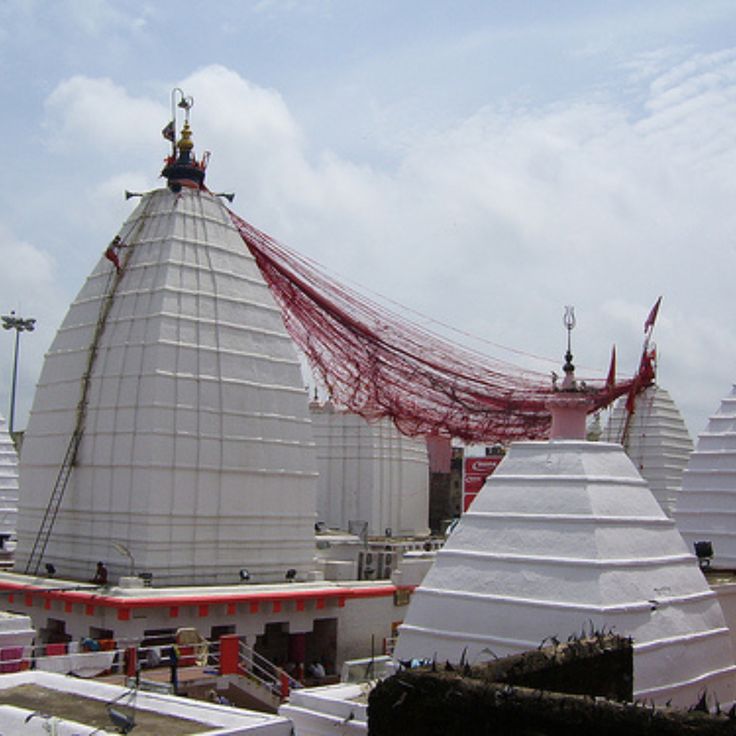
Every year in the Hindu month of Shravan (July-August), somewhere between eight and twelve million devotees walk the 108 kilometres from Sultanganj in Bihar to Baba Baidyanath at Deoghar in Jharkhand. They carry two clay or brass pots of Ganga water balanced on a decorated bamboo pole — the kanwar — and offer it to the Jyotirlinga on arrival. This is the largest annual pedestrian pilgrimage in the world, larger than the Hajj in raw pilgrim numbers over the month.
The yatra itself is not casual. It is a physically demanding barefoot walk in the peak of the Indian monsoon, undertaken under strict shastric rules that if broken invalidate the offering. Many first-time yatris do not fully appreciate what they are signing up for. This guide is written for the pilgrim who wants to complete the full yatra shastrically correctly, and safely.
The Route in Four Stages
Stage 1: Sultanganj to Kamrai (25 kilometres). This is the flat plain along the Ganga. Pilgrims fill their pots at Uttarvahini Ganga (the north-flowing stretch of the river at Sultanganj — one of only two places where the Ganga flows northward, considered spiritually significant), get them blessed at the Ajgaibinath Temple, and set off. Free food stalls (bhandaras) start every 200 metres along this stretch — you will not go hungry.
Stage 2: Kamrai to Abrakhia (30 kilometres). The road rises into low hills; the traffic thins. Overnight rest houses (sewa shivirs) run by voluntary organisations offer free floor-space, food, and basic medical aid. Most pilgrims complete this stage across two nights.
Stage 3: Abrakhia to Kathua (30 kilometres). This is the psychologically hardest stretch — muscle fatigue peaks around kilometre 60-70 and blisters set in. State-run medical camps at every 5 kilometres handle rehydration and basic pain relief. The road surface here is a mix of tarred highway and gravel village lanes; the gravel is particularly painful on barefoot soles.
Stage 4: Kathua to Deoghar (23 kilometres). The final descent to Baba Dham. Pilgrims arrive in continuous streams and queue at the temple in shifts of 2-4 hours through the night. The last two kilometres inside Deoghar town are packed with additional bhandaras and small shops selling completion mementos — traditionally a saffron shawl, a Baba Baidyanath printed calendar, or a bottle of the Shivganga pond water to carry home.
Non-Negotiable Rules
Once you begin the yatra with a filled kanwar you must complete these rules or the offering is considered ritually invalid: (1) no footwear on the entire route; (2) the kanwar must never touch the ground, even for a moment — dedicated Y-shaped stands are provided at every rest stop; (3) no non-vegetarian food, alcohol, or intimate contact through the yatra; (4) no leather items on your person, including belts and wallets; (5) you must chant "Bol Bam" at every step or checkpoint; (6) after Baidyanath, tradition asks you to also complete Basukinath (43 kilometres onward from Deoghar) — this second darshan is technically optional but nearly all serious kanwariyas complete it.
If you break any of these rules mid-yatra, the classical remedy is to return to Sultanganj, empty the pot, refill with fresh Ganga jal, and restart. In practice most modern pilgrims perform a prayaschit (atonement) puja at Baidyanath itself, which is accepted by the priests.
Safety Checklist
Do not attempt the yatra without a checkup within 30 days of departure. Blood pressure, diabetes, and cardiac conditions have caused fatalities every year during this pilgrimage — the combination of physical exertion, monsoon humidity, sleep deprivation, and irregular meals is genuinely dangerous for anyone with underlying conditions. Carry ORS packets, a topical antiseptic, and blister plasters. Do not wear a full-body kesari saffron outfit unless you are willing to be pulled into media photography — police channels use this dress code to identify serious yatris.
Register your yatra with the Bihar Police "Kanwar Sewa" app before departure so emergency services can locate you. Carry a physical card with your name, home address, blood group, and emergency contact — cell phones die, cards do not. If you are travelling with a group, agree on a rendezvous protocol for the two most likely separation points: the Kamrai bhandara and the final approach queue at Deoghar temple.
Alternatives for First-Timers
If the full 108-kilometre barefoot walk is not realistic, the Bihar Tourism Development Corporation runs a "Short Kanwariya" package where devotees do only the last 22 kilometres on foot from Kathua while the rest is bus-supported. This is judged shastrically valid by the Baba Dham priests and is now the most common route for elderly pilgrims and children. The final darshan and Ganga jal offering itself is identical.
Another option is the "Dak Kanwariya" — a running relay where a small team of trained runners carries the kanwar continuously (no rest houses, no sleep, taking turns to run) and covers the 108 kilometres in about 24-28 hours. This is a demanding athletic feat rather than a devotional walk, but it is a valid shastric variation and is popular among younger pilgrims who cannot take a full week off work.