A single reference table of every Jyotirlinga — location, associated Kaal Sarp Dosh, spiritual benefit, and which pilgrim it is prescribed for.
Every Jyotirlinga has a distinct spiritual profile in classical Vedic astrology. Different life circumstances point to different temples as the "primary remedy". This is a comparison of all twelve — location, associated Kaal Sarp Dosh variant, and the specific problem each is traditionally prescribed for. Consider this a lookup table you can consult before choosing which temple to prioritise on a shorter yatra when you cannot cover all twelve in one trip.
Two caveats before we begin. First: this ranking of prescribed spiritual benefits is drawn from the Shiva Purana and later classical Vedic astrology sources — it is a traditional framework, not a scientific one. Second: the classical texts explicitly say that a devotee's own intention (sankalp) matters more than the specific temple chosen; visiting the "right" Jyotirlinga with a distracted mind is less powerful than visiting any Jyotirlinga with a clear intention.
For Mental Peace and Emotional Healing
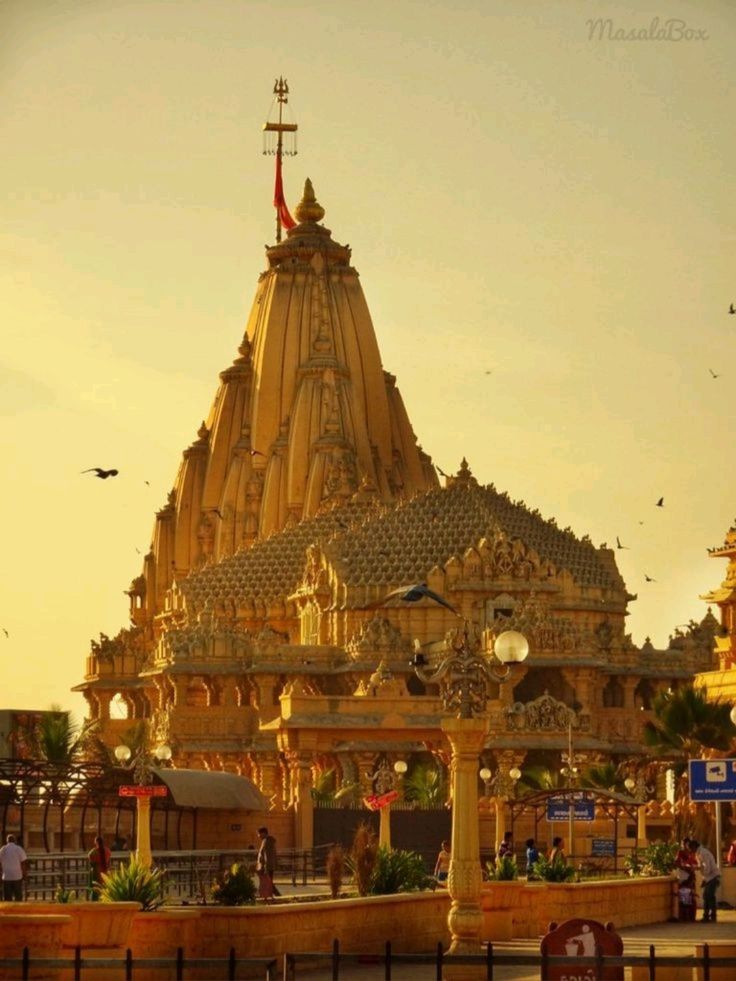
Somnath (Gujarat, Anant Kaal Sarp Dosh) is the first prescription for mental trauma, chronic anxiety, and a weak natal Moon. The moon-lord Chandra himself was healed here after Daksha's curse — the legend directly matches the psychological archetype of an oscillating mood, waning and waxing, that the Moon governs in Vedic astrology.
Kashi Vishwanath (Uttar Pradesh, Karkotak Kaal Sarp Dosh) is the prescription for ego dissolution, existential crisis, and end-of-life peace. Traditional families take dying relatives to Varanasi to attain moksha — the tradition of "Kashi vaas" (residency in Kashi in one's final years) is grounded in this specific spiritual benefit.
For Physical Health and Longevity
Baidyanath (Jharkhand, Shankhachuda Kaal Sarp Dosh) is where Shiva resides as Vaidya (the Divine Physician). Devotees suffering from chronic, untreatable medical conditions perform Ganga jal abhishekam here through the Shravan month. The temple's alternate name — Baba Baidyanath Dham, literally "the abode of the Physician Lord" — makes this specific prescription unambiguous.
Mahakaleshwar (Madhya Pradesh, Vasuki Kaal Sarp Dosh) is prescribed for terminal illness, severe planetary afflictions (Saturn/Rahu), and the fear of death itself. The Bhasma Aarti is said to burn away deep karmic disease — the classical texts specify that "the ash absorbs the disease into itself and returns the body to a purified state".
For Family, Progeny, and Ancestral Blockages
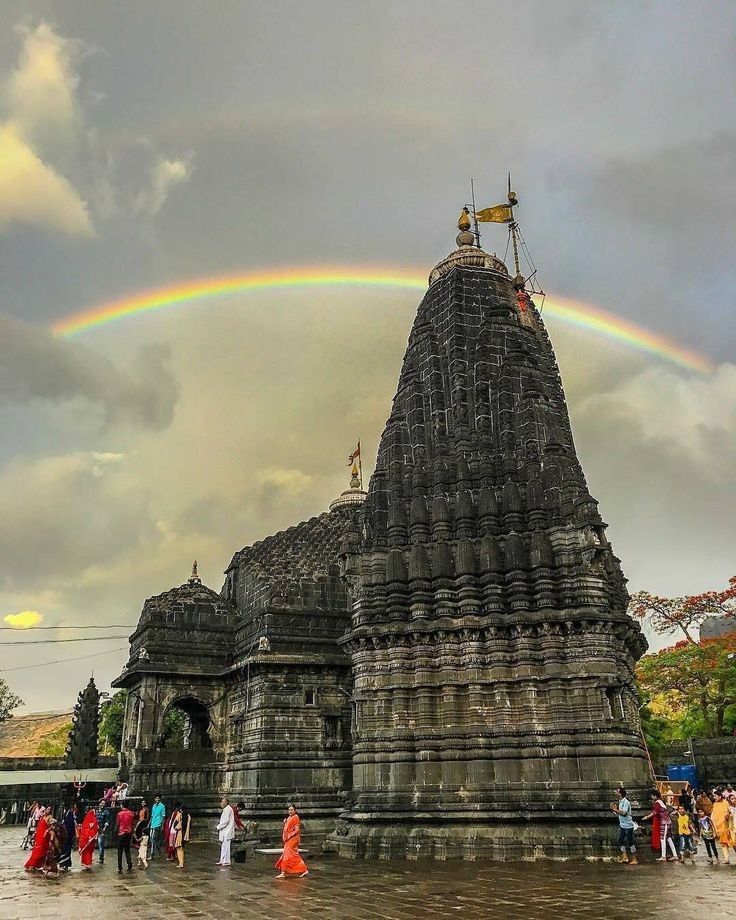
Trimbakeshwar (Maharashtra, Shankhapal Kaal Sarp Dosh) is the primary center for Pitri Dosh Nivaran, Kaal Sarp Dosh Nivaran, and Tripindi Shraddh. It is where these rituals originate and is one of only two locations in India (along with Kalahasti) where they are performed with full shastric sanction.
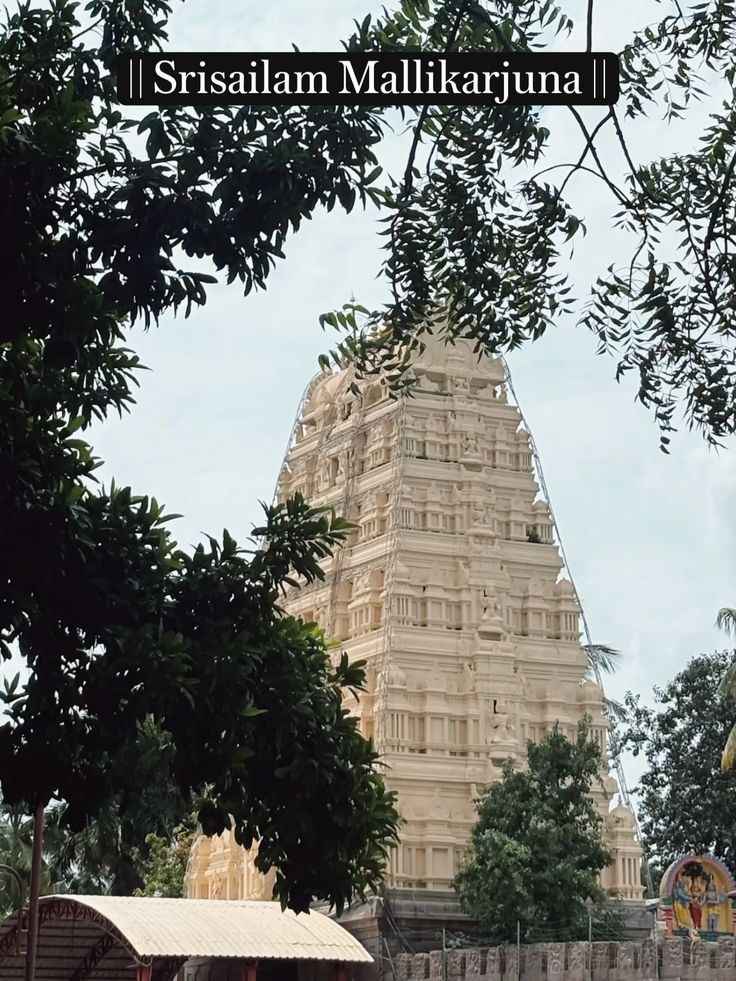
Mallikarjuna (Andhra Pradesh, Kulik Kaal Sarp Dosh) restores family harmony — Shiva and Parvati live here together with their angry son Kartikeya as their reason for arrival, in the Puranic legend where the family moved to the Srisailam hill to be close to the son. Prescribed for parents estranged from children, and for adult children estranged from parents.
Grishneshwar (Maharashtra, Sheshnag Kaal Sarp Dosh) is prescribed for fertility challenges and profound grief. The temple's foundational legend — a mother named Ghushma whose son was killed and then restored by Shiva — makes it especially significant for women who have lost a child, and for couples struggling with fertility issues.
For Career, Focus, and Learning
Omkareshwar (Madhya Pradesh, Padam Kaal Sarp Dosh) aligns scattered thoughts and brings focus. Prescribed for students preparing for major exams and professionals in creative careers. The temple's association with Adi Shankaracharya, who met his guru here and began his intellectual awakening, reinforces this "clarity of mind" benefit.
Bhimashankar (Maharashtra, Takshak Kaal Sarp Dosh) grants courage, physical strength, and protection from hidden enemies. Traditionally prescribed for soldiers, entrepreneurs, and litigation-prone professionals. The temple's founding legend — Shiva's destruction of the demon Bhima in an act of pure fierce will — directly maps to the prescribed benefit.
For Freedom from Addictions and Toxic Influences
Nageshwar (Gujarat, Ghatak Kaal Sarp Dosh) as the Lord of Serpents neutralises poisonous influences — literal (from snakebite) and metaphorical (from toxic company, work environments, or family situations). Prescribed for addiction recovery, particularly for pilgrims trying to break long-standing habits. The Naga Panchami darshan here is considered especially powerful for this purpose.
For Karmic Purification and Ultimate Liberation
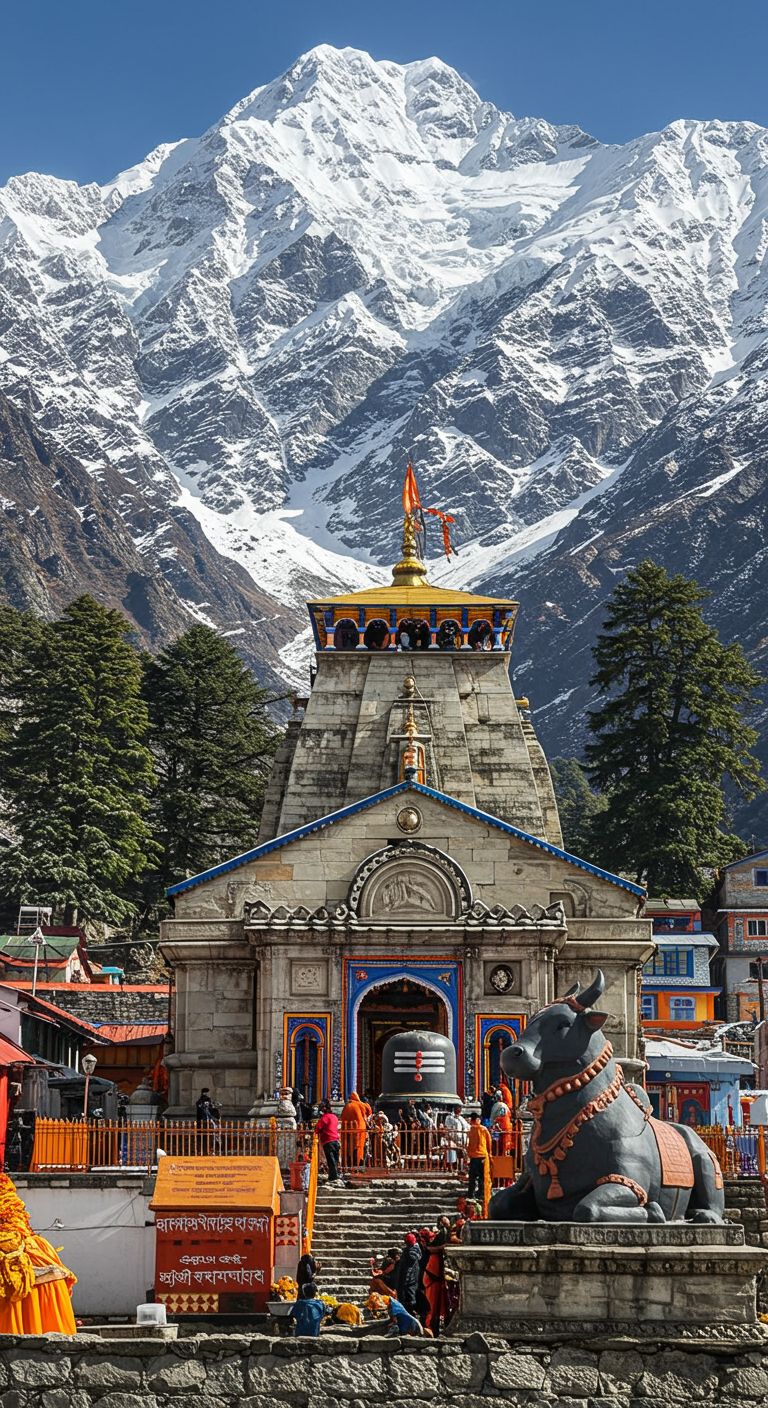
Kedarnath (Uttarakhand, Mahapadam Kaal Sarp Dosh) is where the Pandavas absolved fratricide. The physical difficulty of reaching it — 3,583 metres — is itself part of the karmic purification; the classical texts say "the hard road is the medicine". Prescribed for those seeking to erase major life-altering guilt, particularly involving harm to close relations.
Rameshwaram (Tamil Nadu, Vishdhar Kaal Sarp Dosh) is where Lord Rama absolved the sin of killing Ravana. The 22 Theertham Snan washes deep layers of confusion, doubt, and inherited guilt. Prescribed for fractured relationships and for those trying to heal after a divorce or major relational breakup.
The Practical Question — Which One Should You Visit First?
The classical prescription is to start with the Jyotirlinga geographically closest to you and complete the twelve outward from there. In practice, most modern pilgrims start with the temple that matches their most pressing life issue from the list above. The circuit's power is cumulative — the twelfth darshan at whichever temple closes your yatra is considered the most spiritually loaded, not the first. So even if you begin with a "small" temple for your specific issue, plan to close your yatra at a temple that matches your longest-term spiritual goal.
A final note on timeline expectations. The classical texts describe Jyotirlinga blessings unfolding over one to seven years after the yatra — not immediately, and not on a fixed schedule. Devotees who expect a specific outcome within weeks are almost always disappointed and mistakenly conclude the yatra failed. The correct classical framing is that a yatra plants seeds; the visible harvest depends on the pilgrim's karma unfolding at its own natural pace. This is why the tradition emphasises regular repeat visits rather than a single lifetime darshan — the accumulated darshans of multiple yatras across a lifetime are considered far more powerful than a single intense one.
If you can only ever visit one Jyotirlinga in your life, the classical Adi Shankaracharya-authored Dwadash Jyotirlinga Stotra names Kashi Vishwanath as the primary among the twelve. This is not because Kashi is spiritually superior to the others but because Kashi is where the classical tradition considers the fullest range of spiritual benefits — from mental peace to ultimate moksha — to be available in a single sanctum. When in doubt, choose Kashi as the destination that closes any Jyotirlinga journey, however short.